Introducing Horus: AI Camera Analytics That Runs On Your Premises
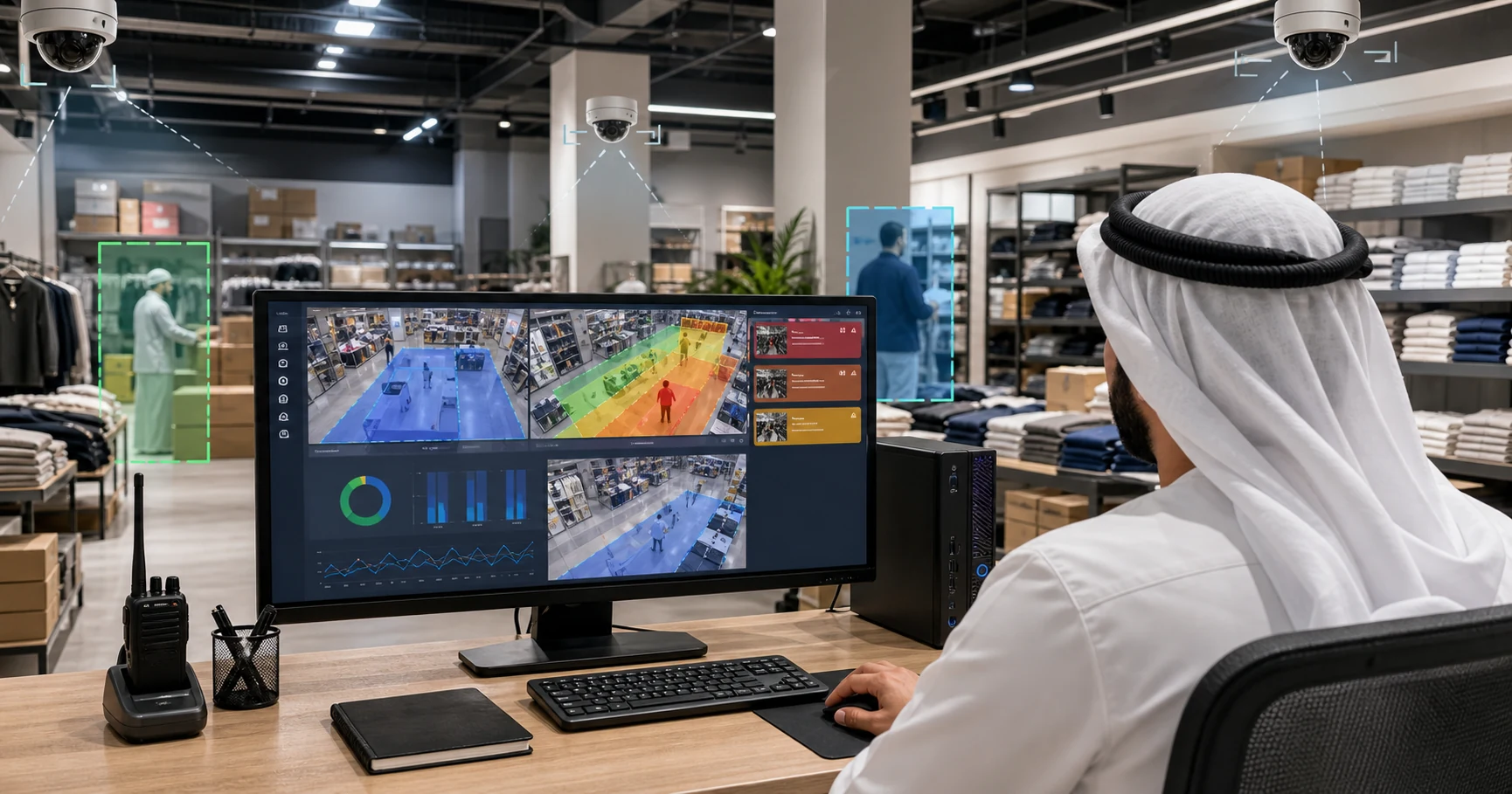
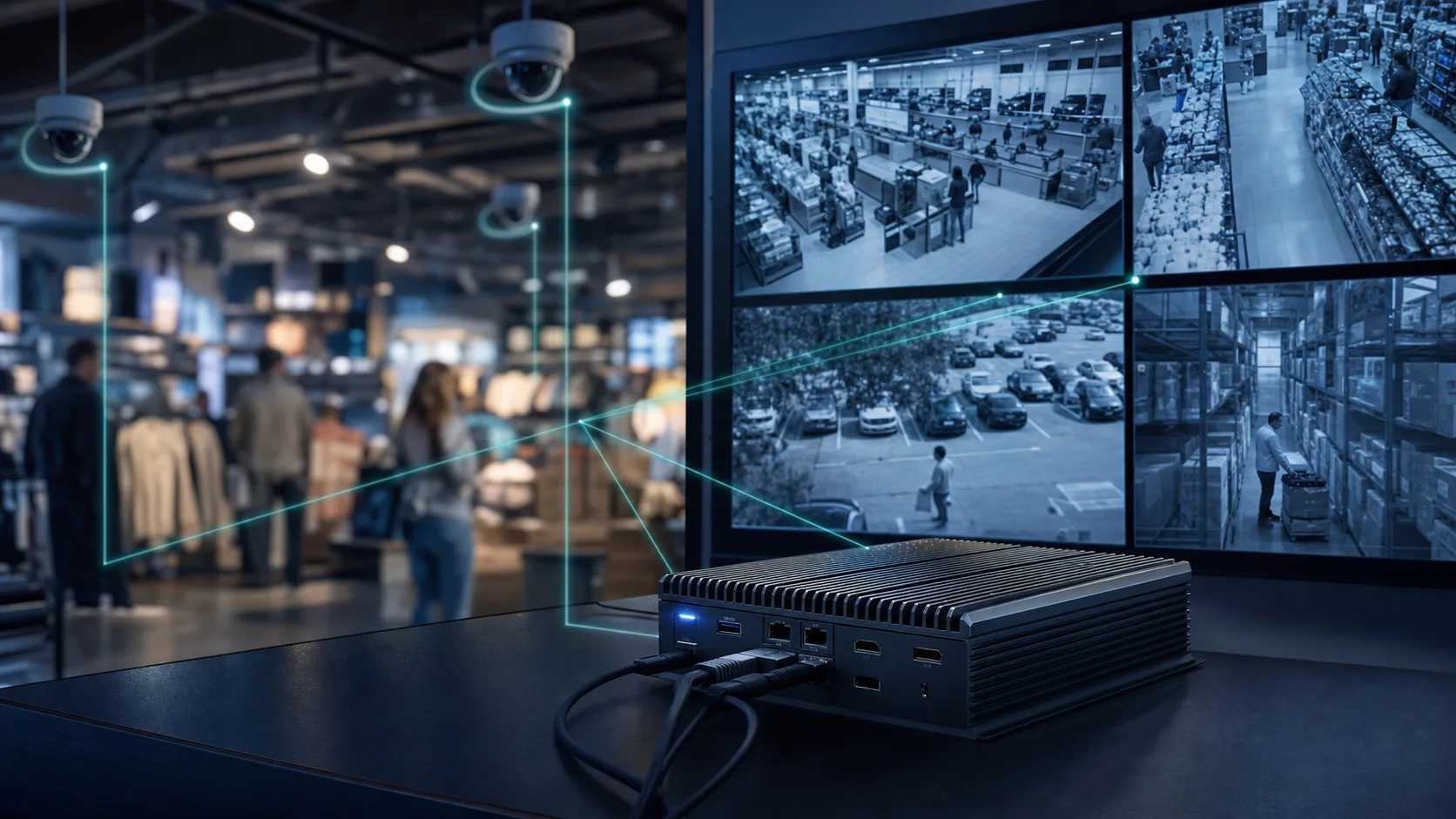
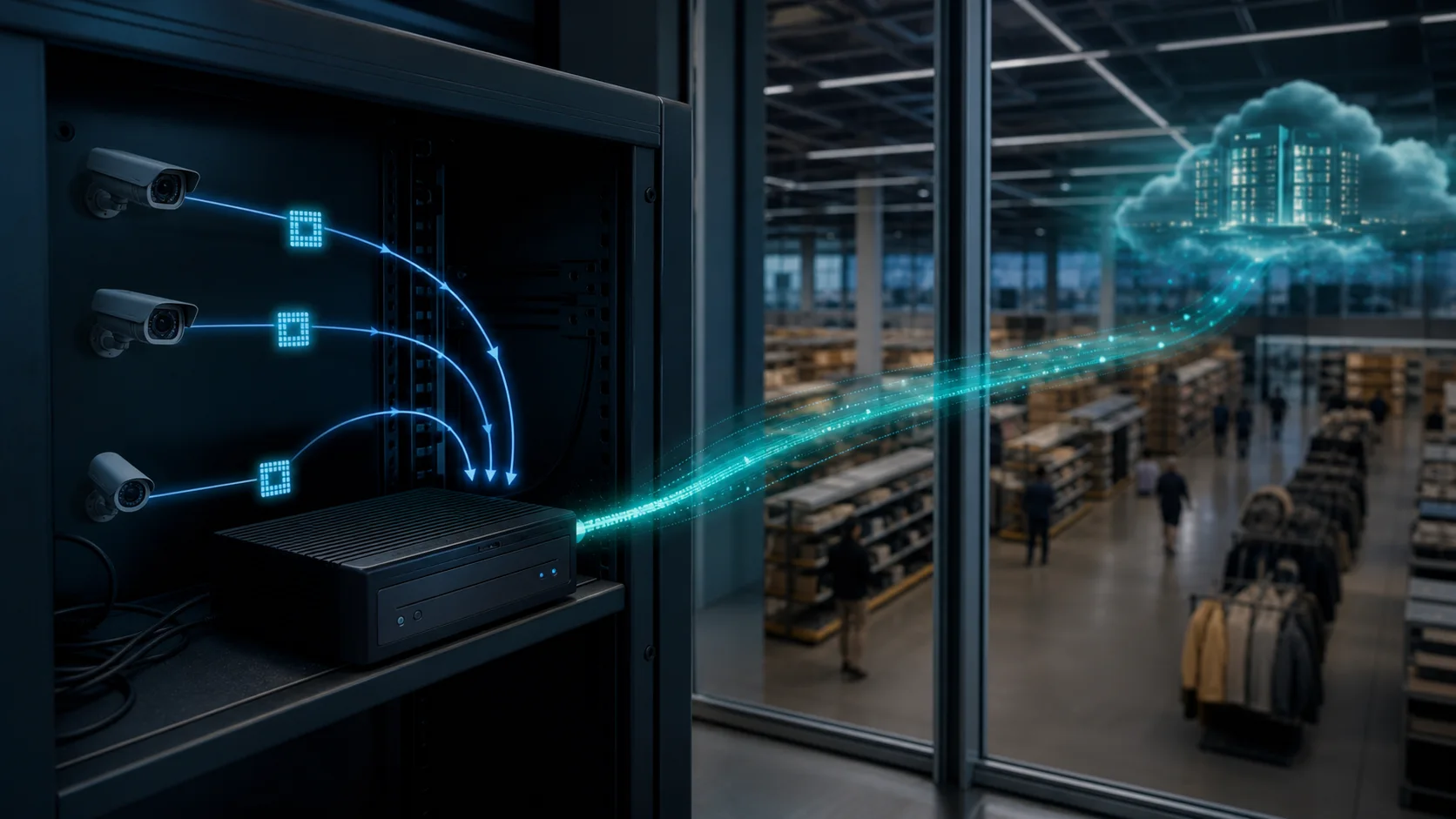
Horus adds AI intelligence to your existing cameras — without sending footage to the cloud. Here's what it does, how it works, and why on-premises matters.
Field Notes
Practical writing from the Horus team on deployment patterns, zone design, safety workflows, and what actually changes when analytics run on site.

Horus adds AI intelligence to your existing cameras — without sending footage to the cloud. Here's what it does, how it works, and why on-premises matters.

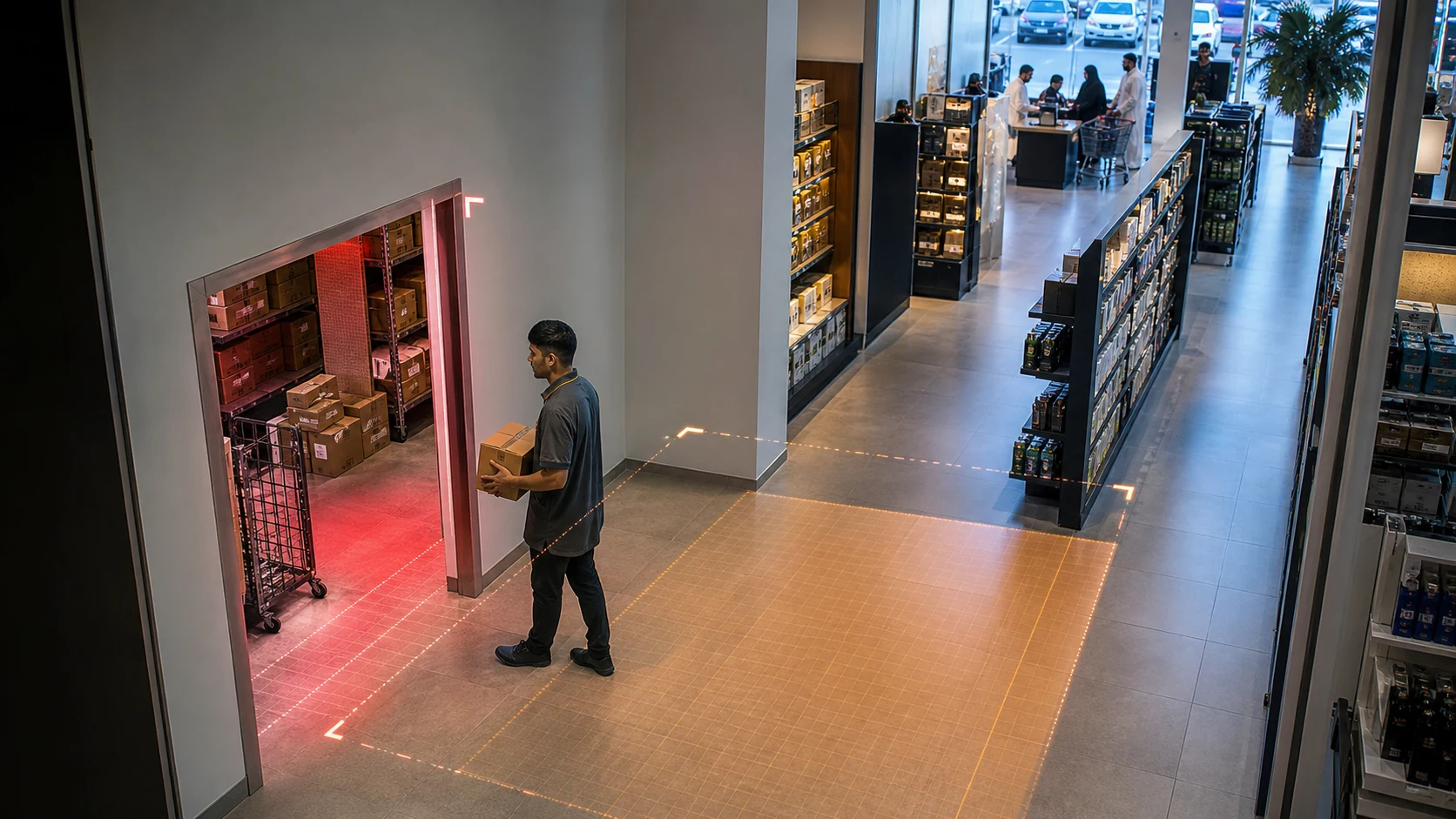
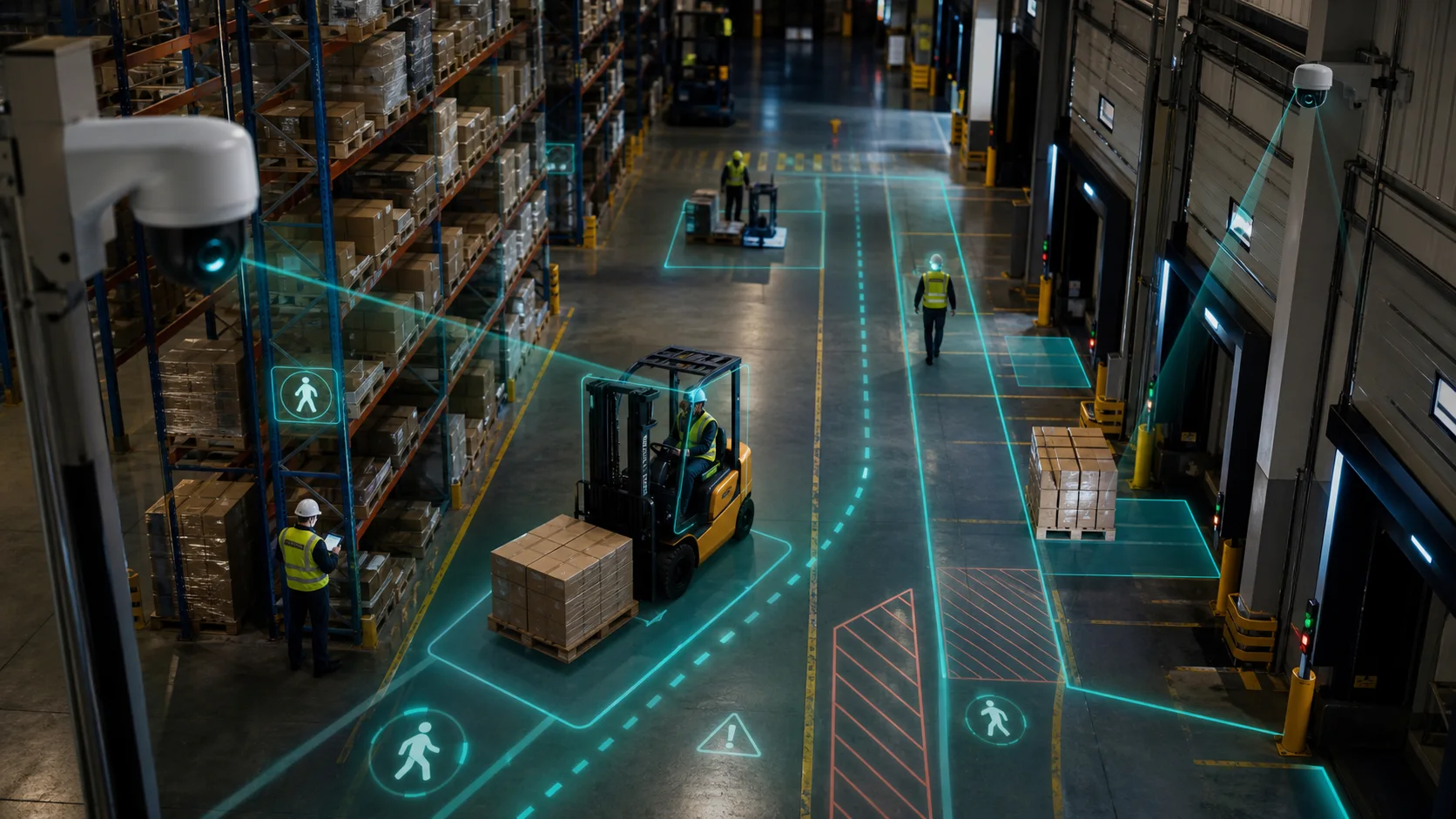
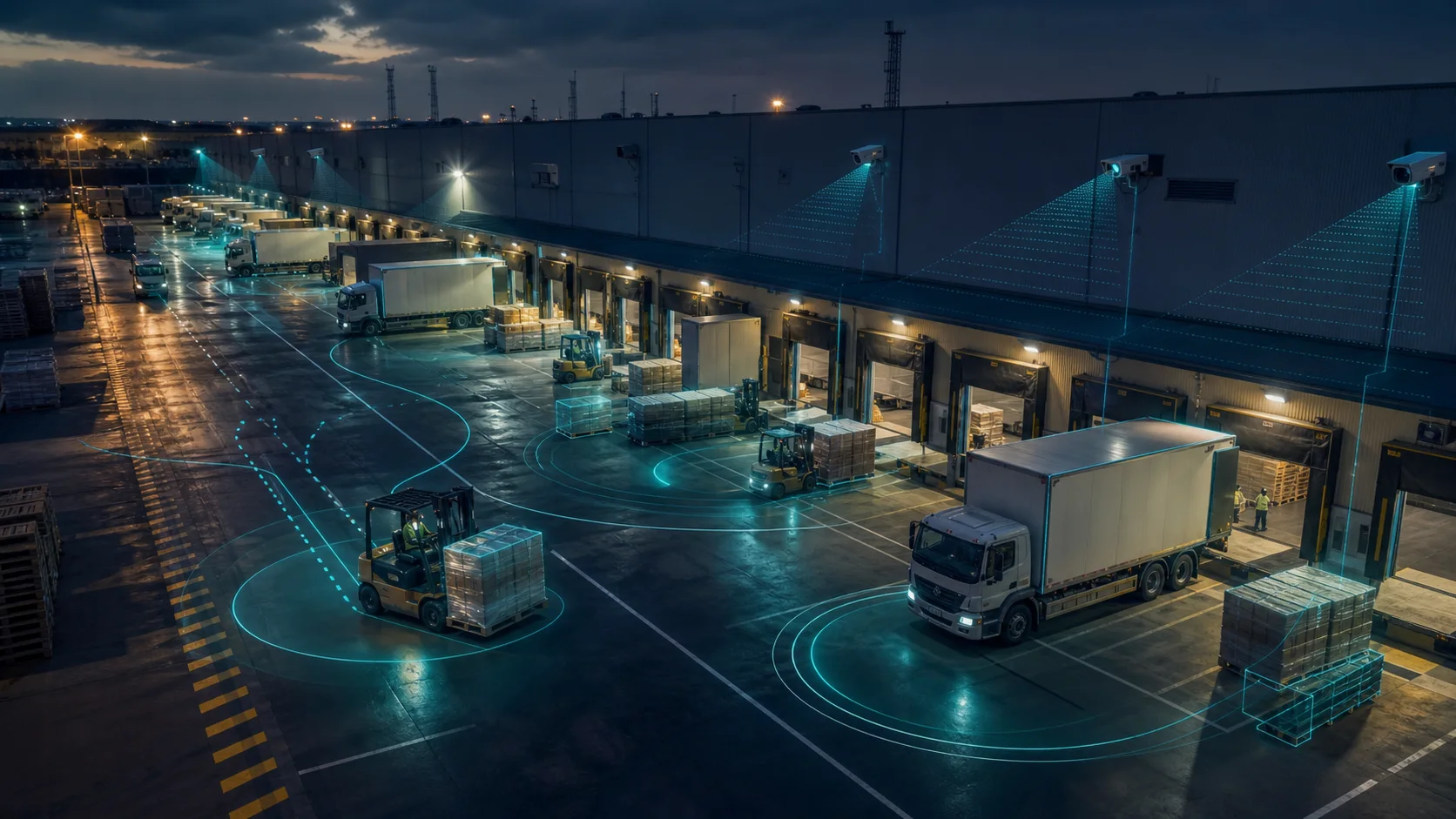
Loading docks are high-activity, high-risk zones that are expensive to monitor manually. Here's how AI camera analytics transforms logistics operations.

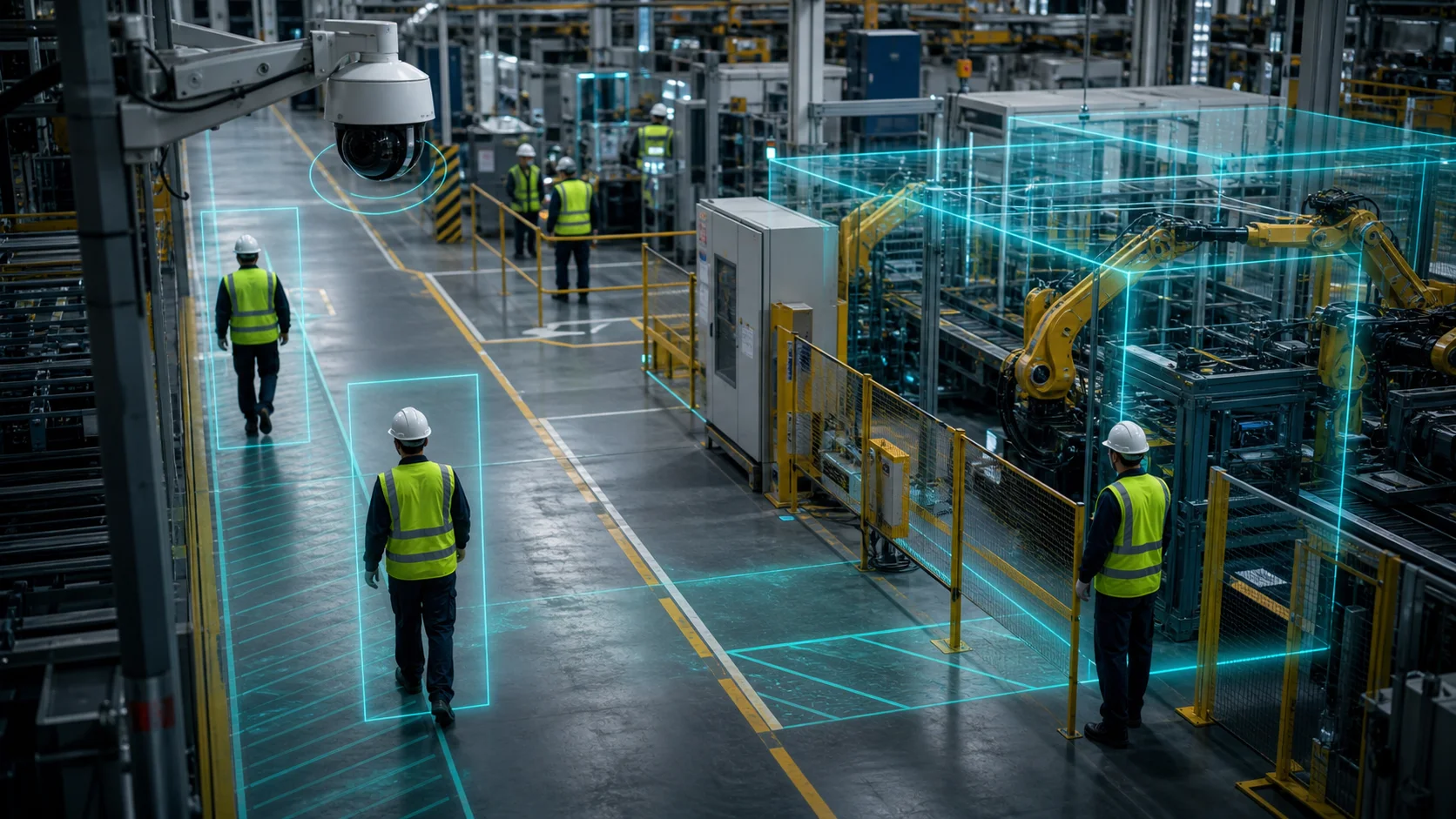
Manufacturing sites need continuous safety monitoring — not periodic inspections. Here's how Horus delivers real-time PPE detection and restricted zone alerts across your production floor.

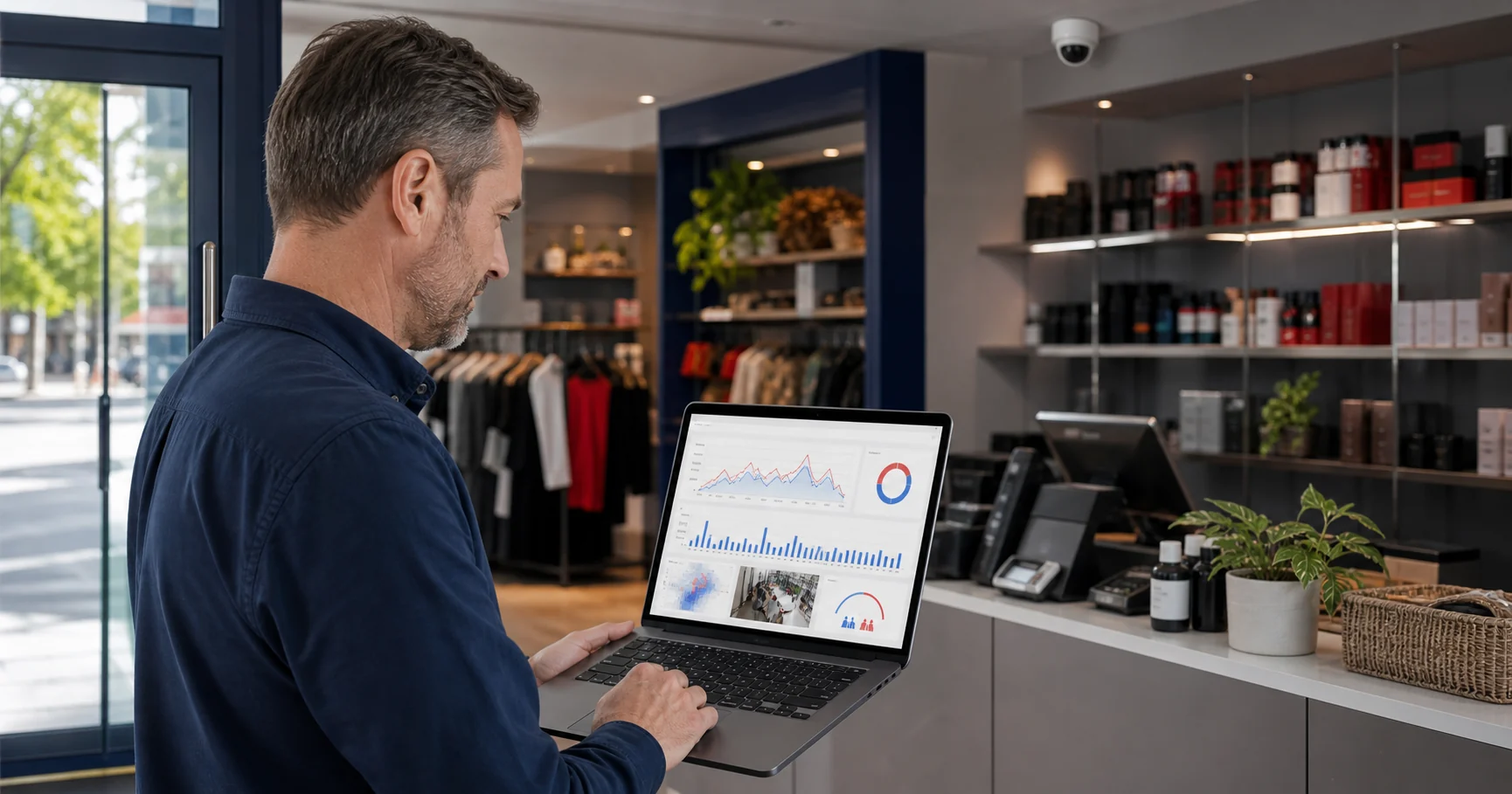
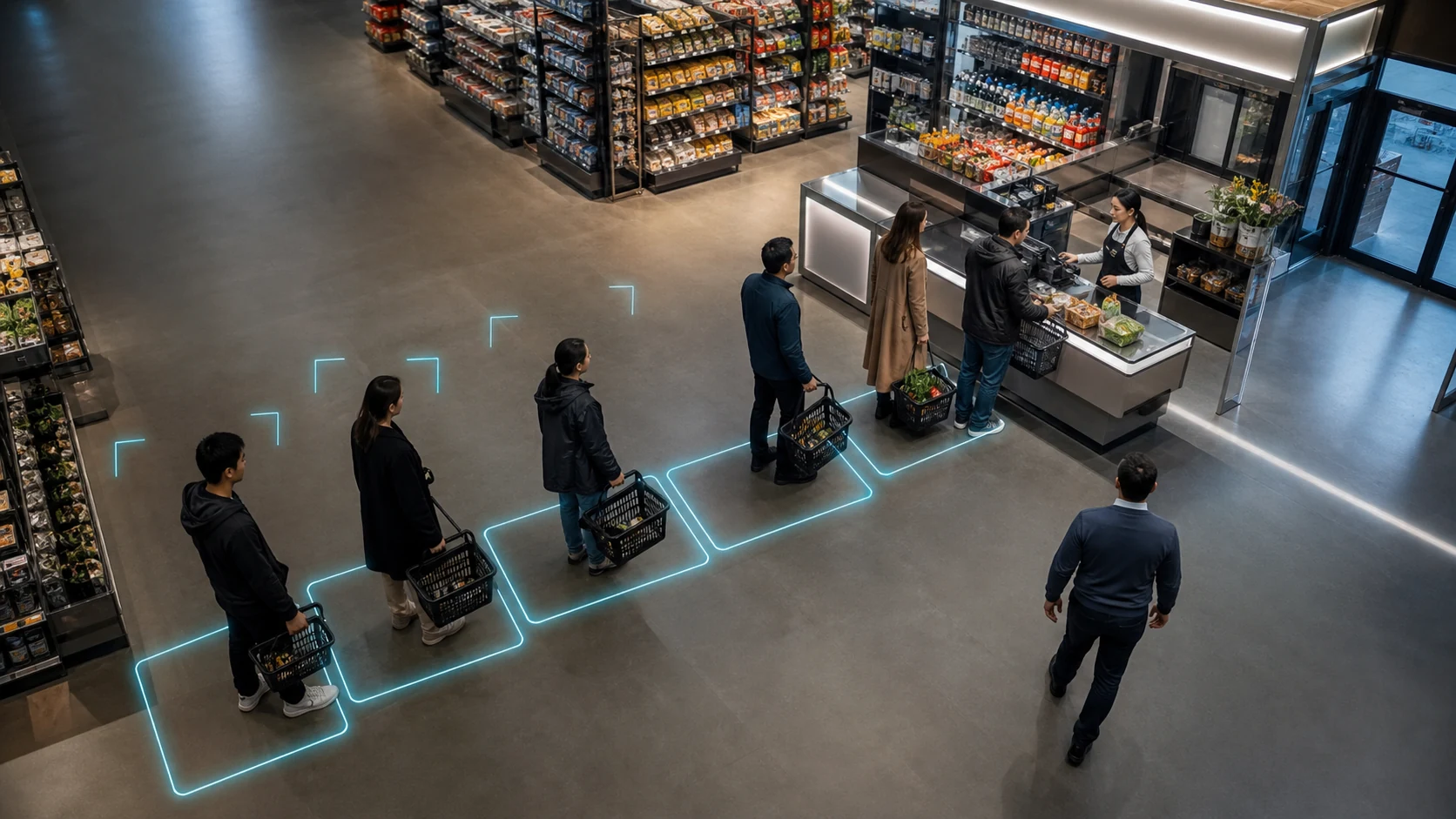
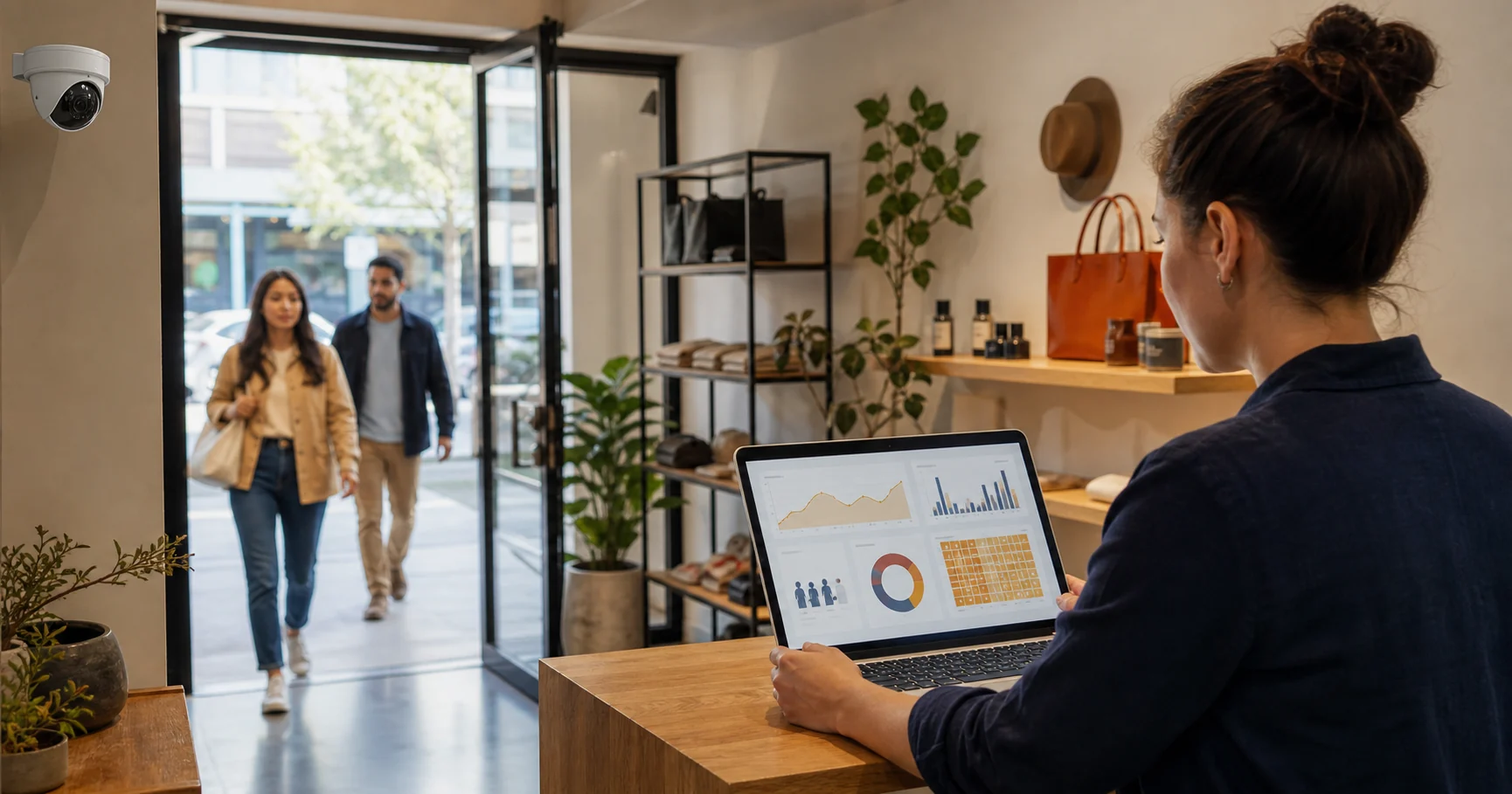
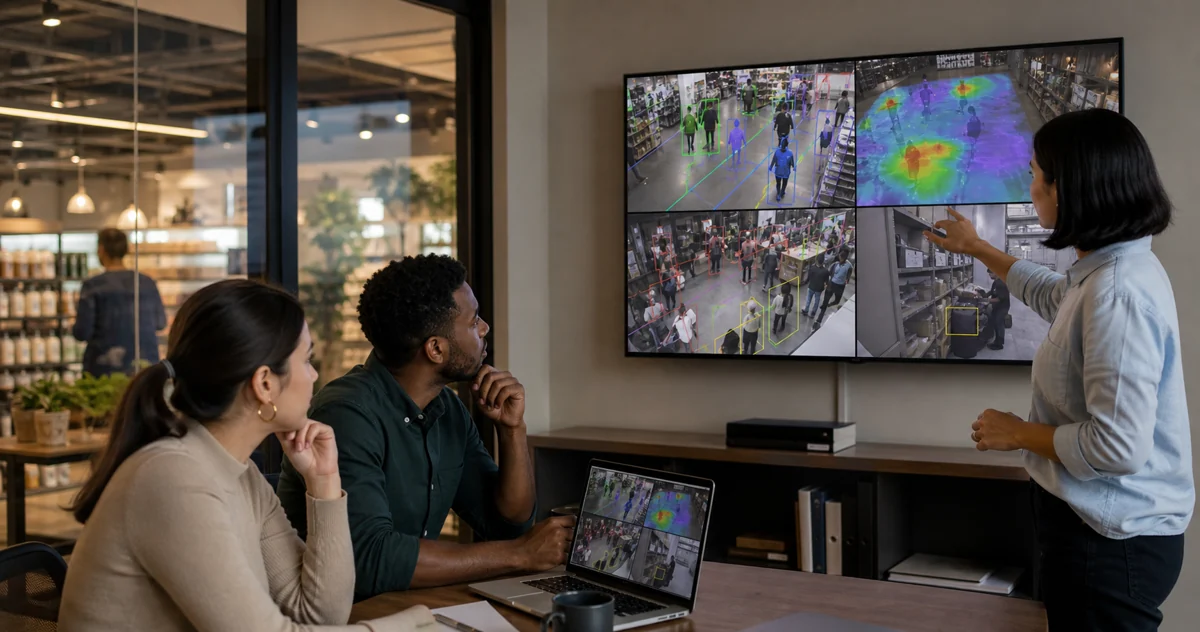
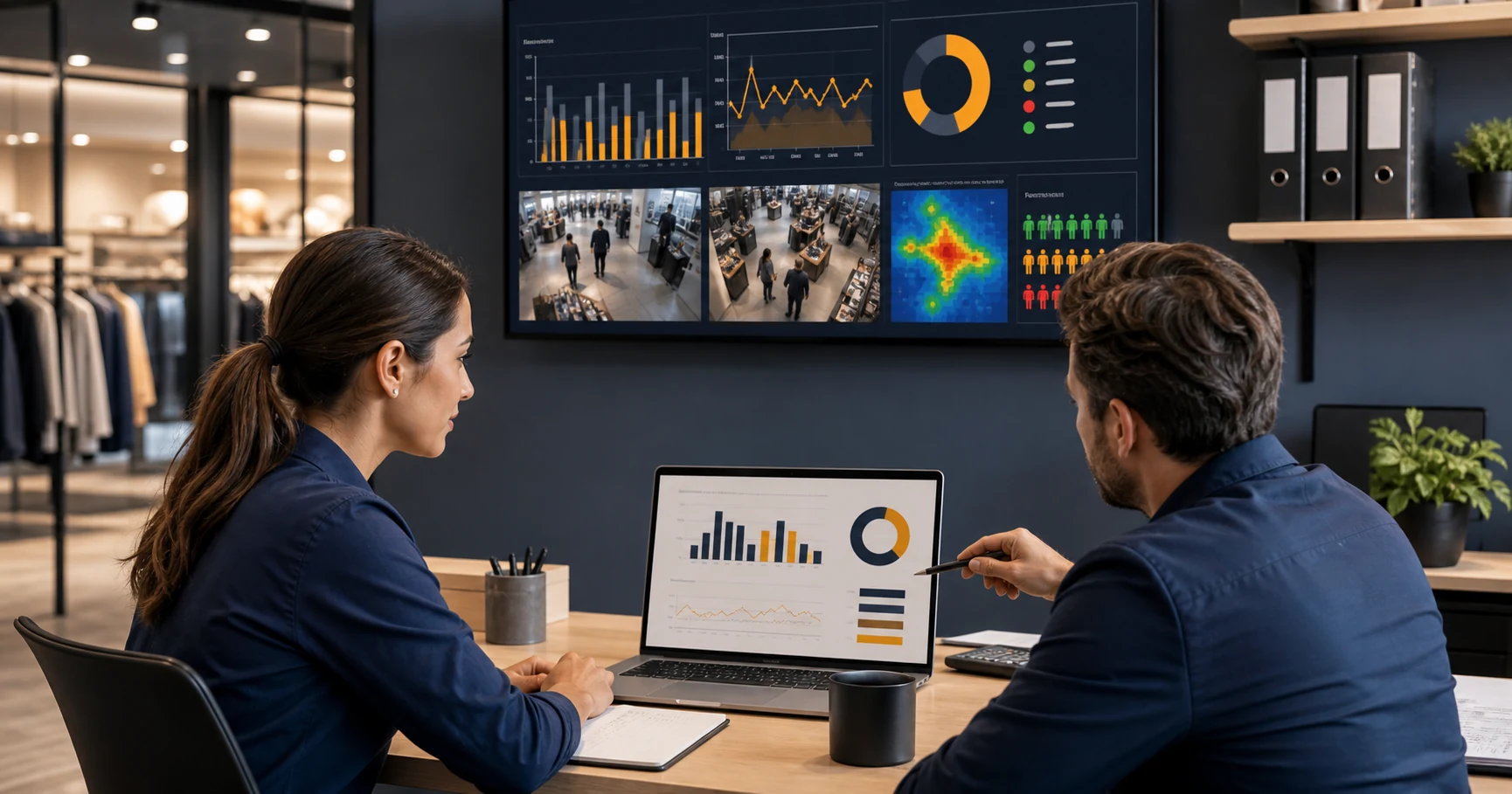
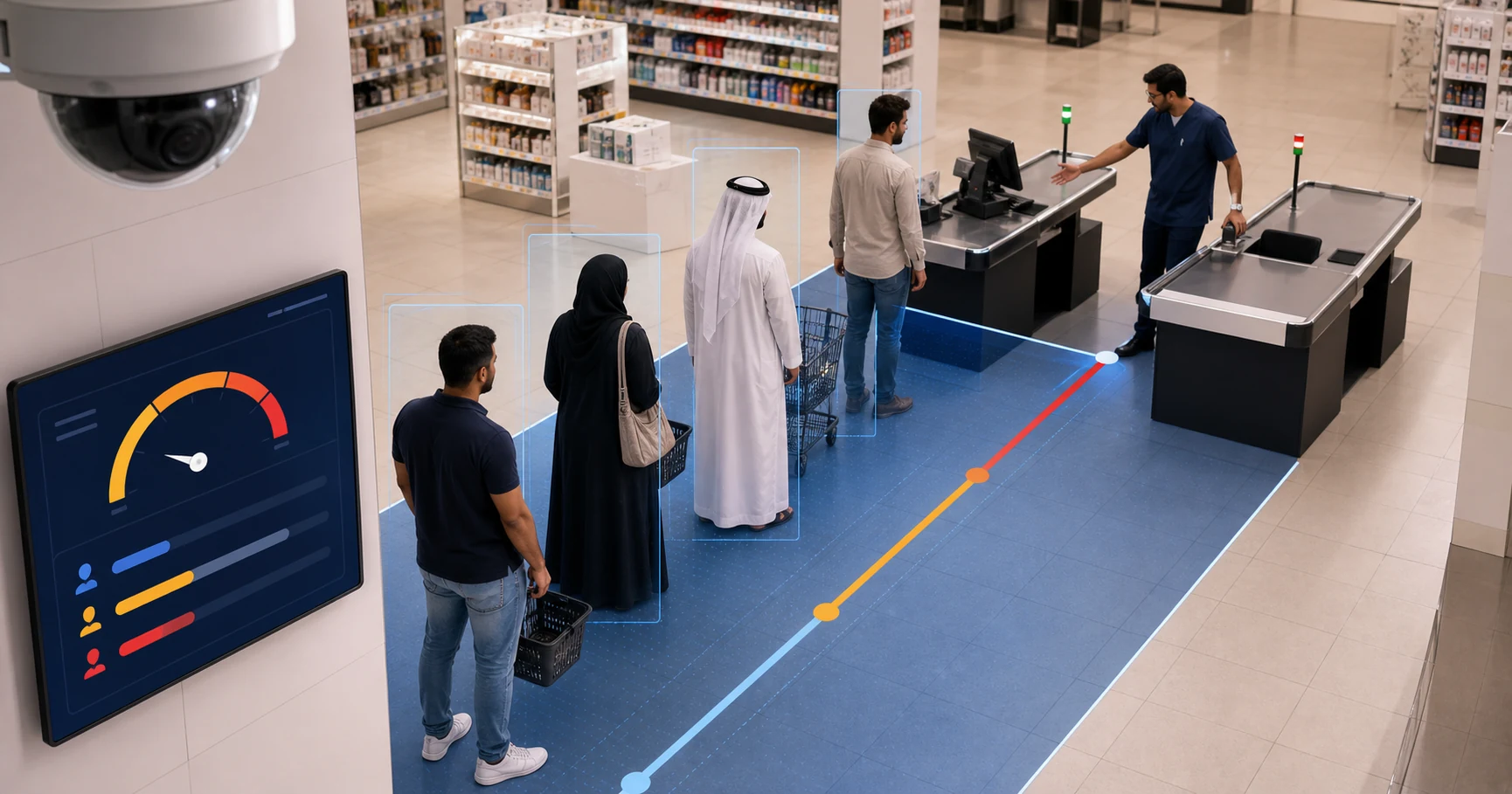
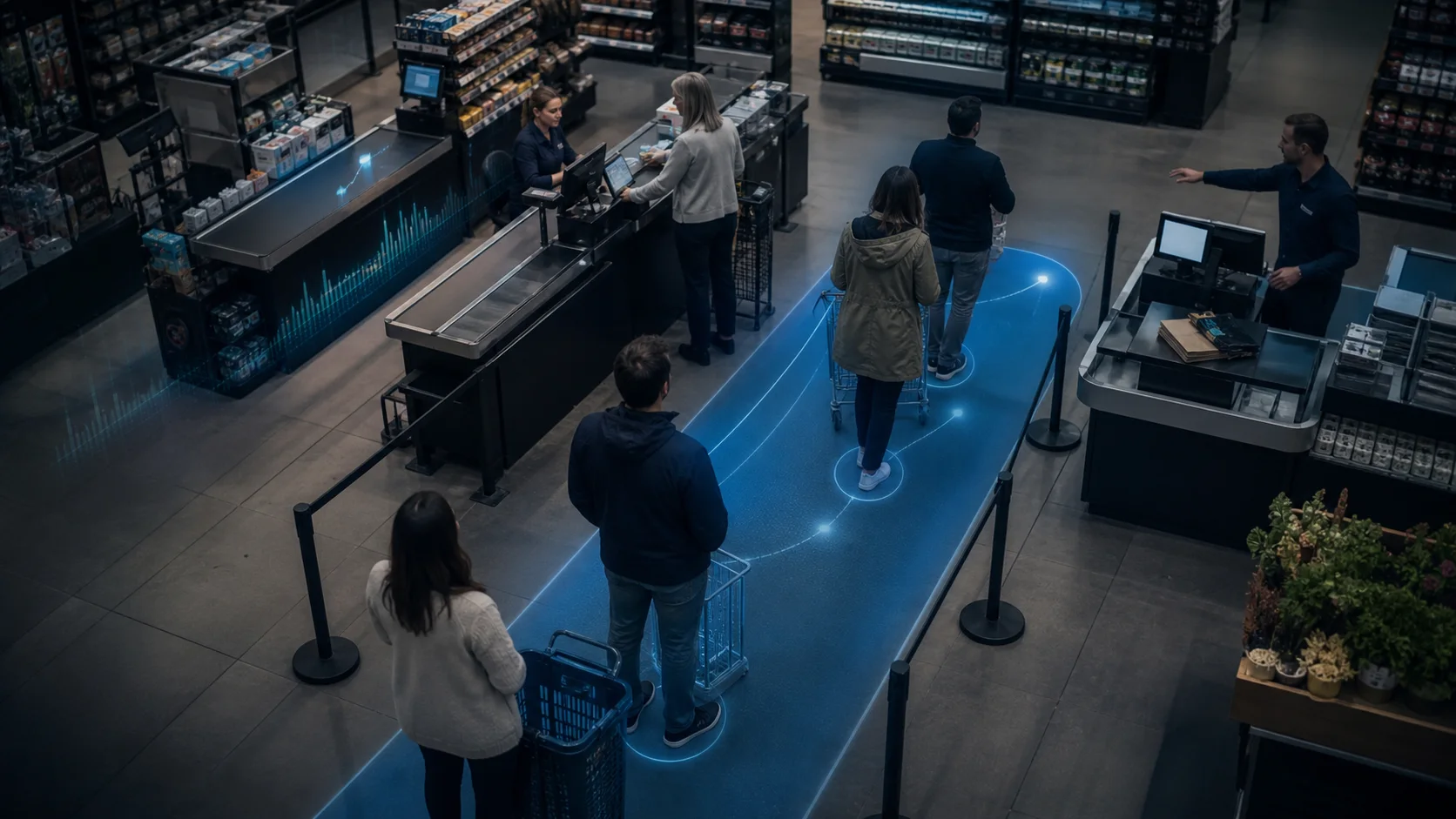
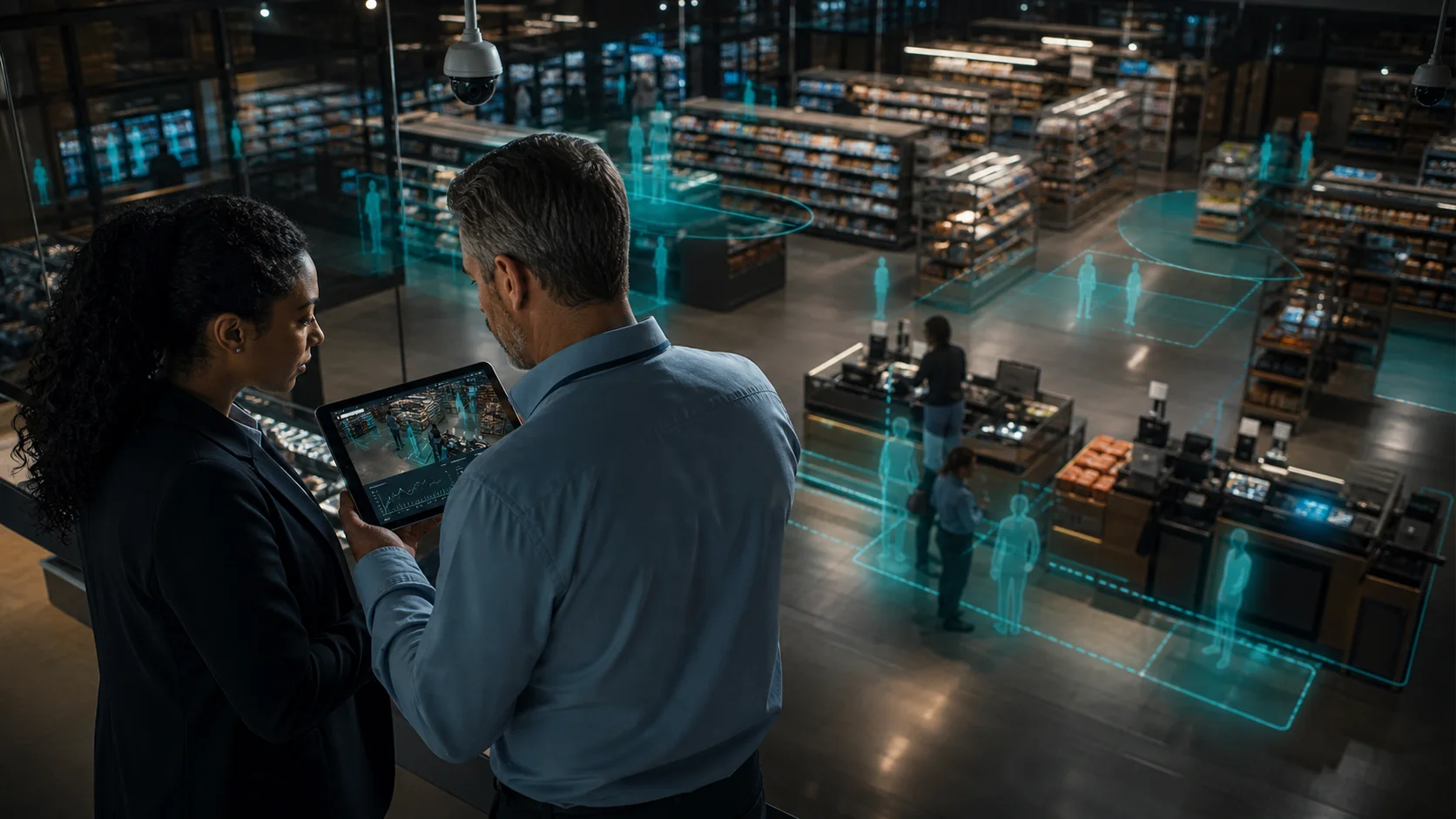
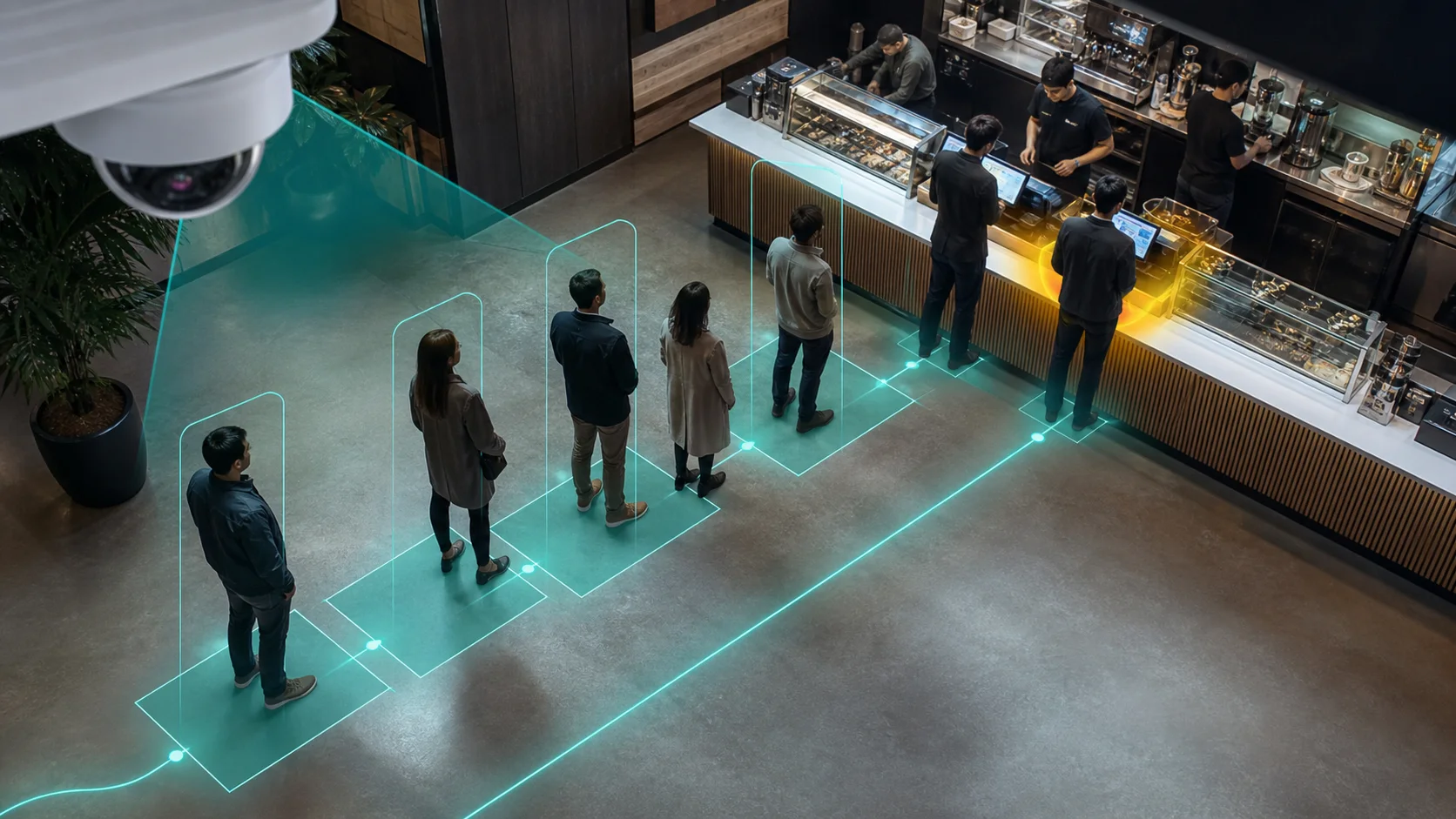
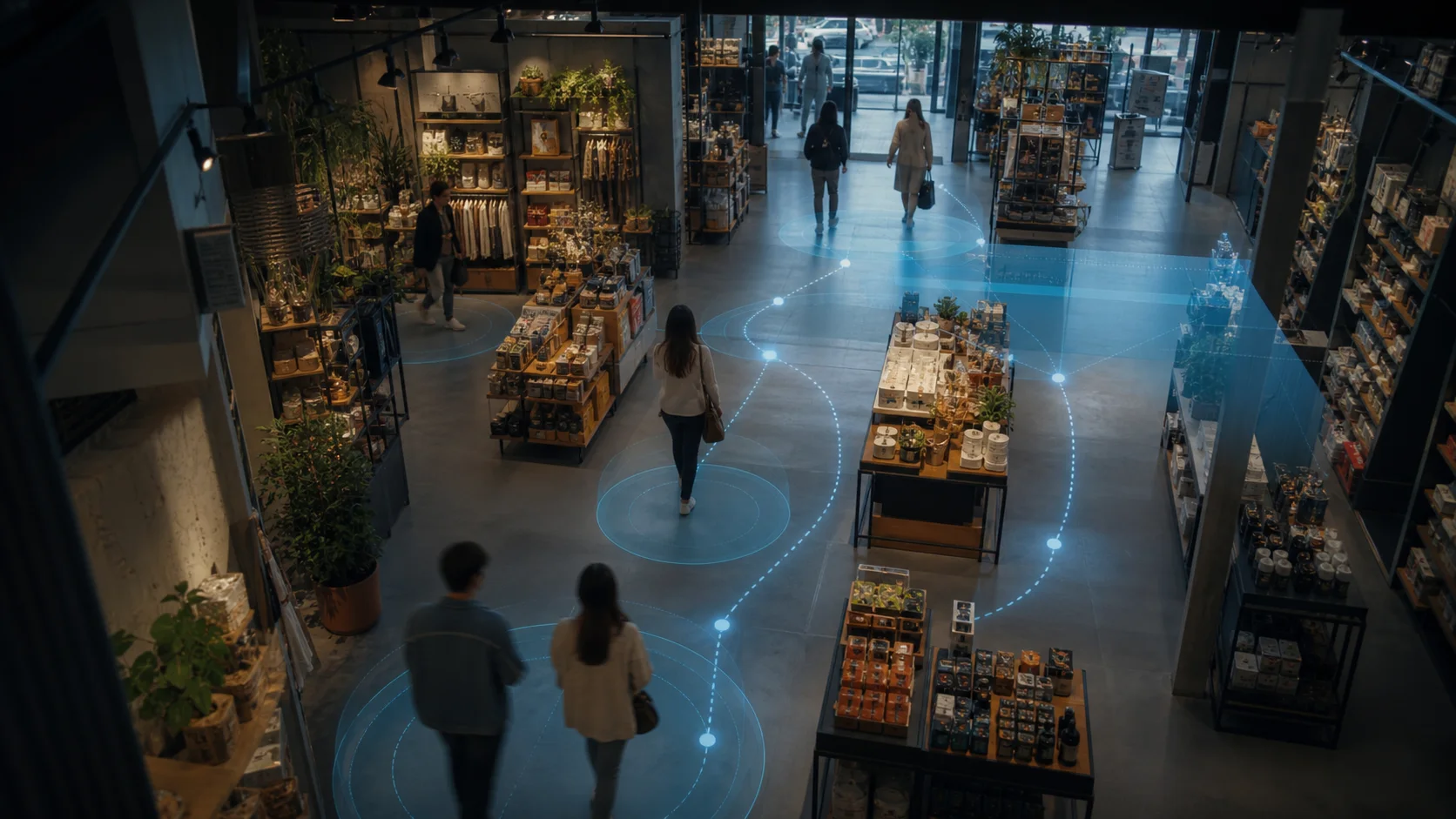
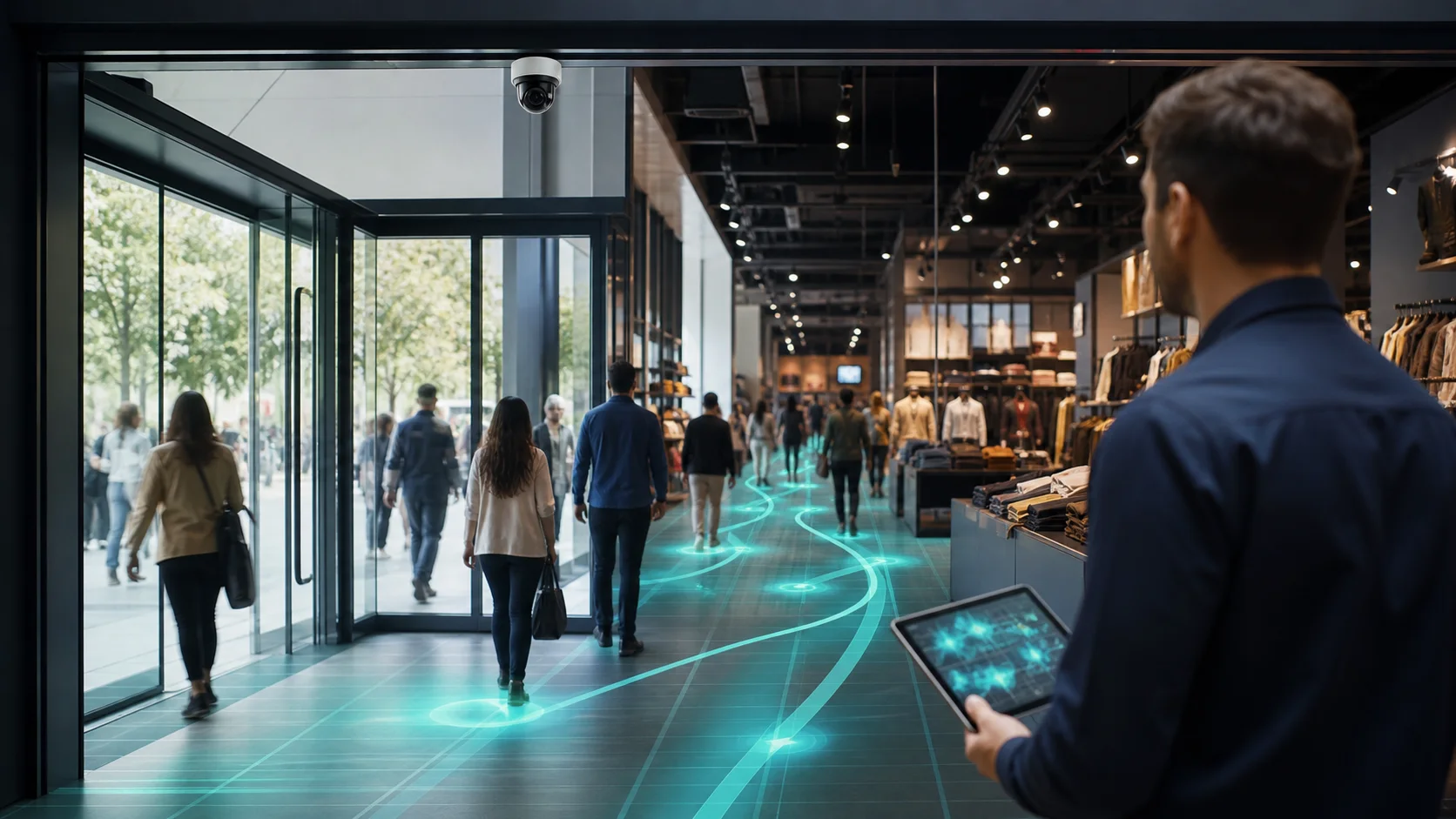
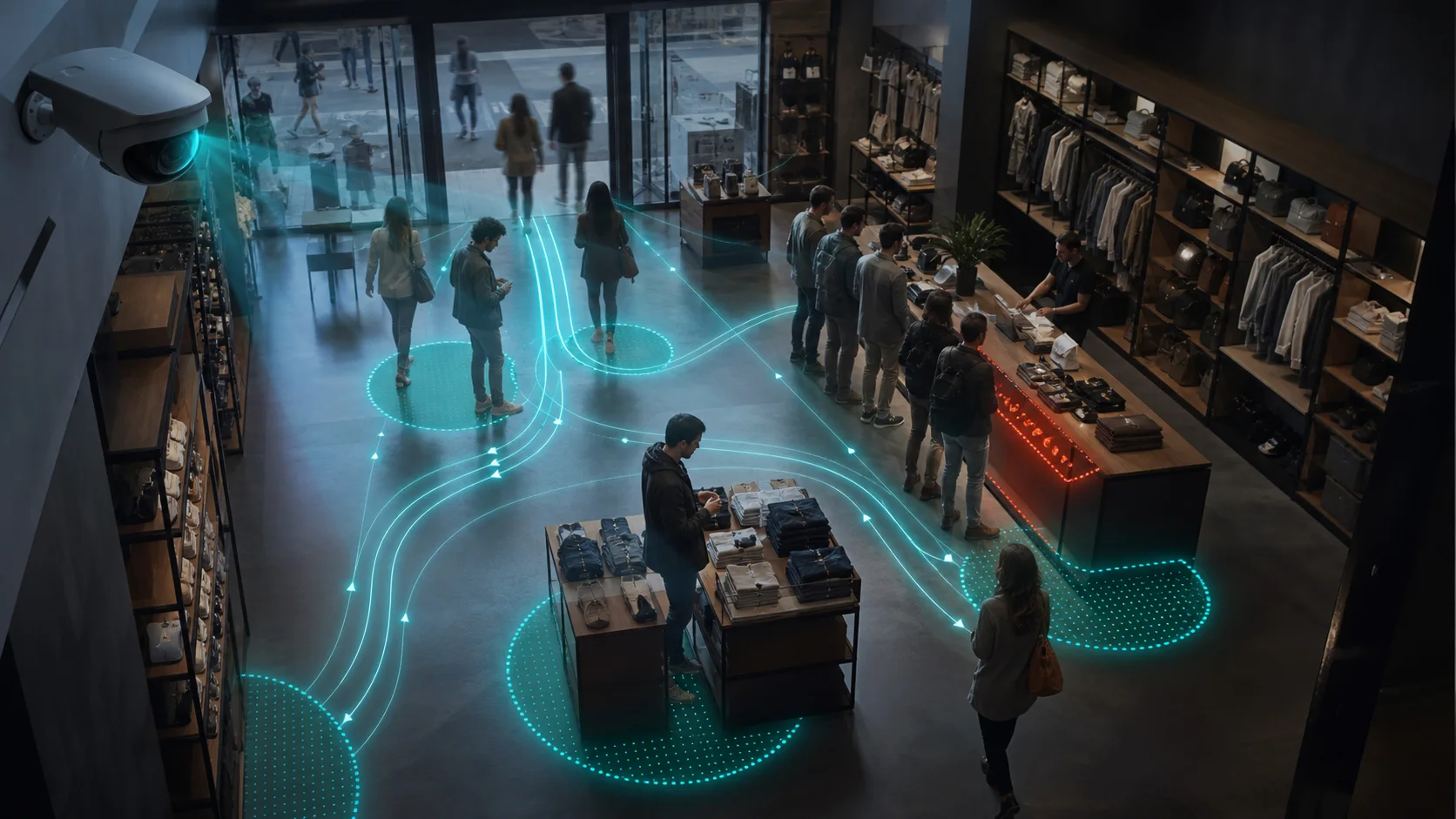
Most retail businesses still schedule staff based on gut feel. AI foot traffic analytics changes that — here's how Horus helps retail managers make data-driven staffing decisions.

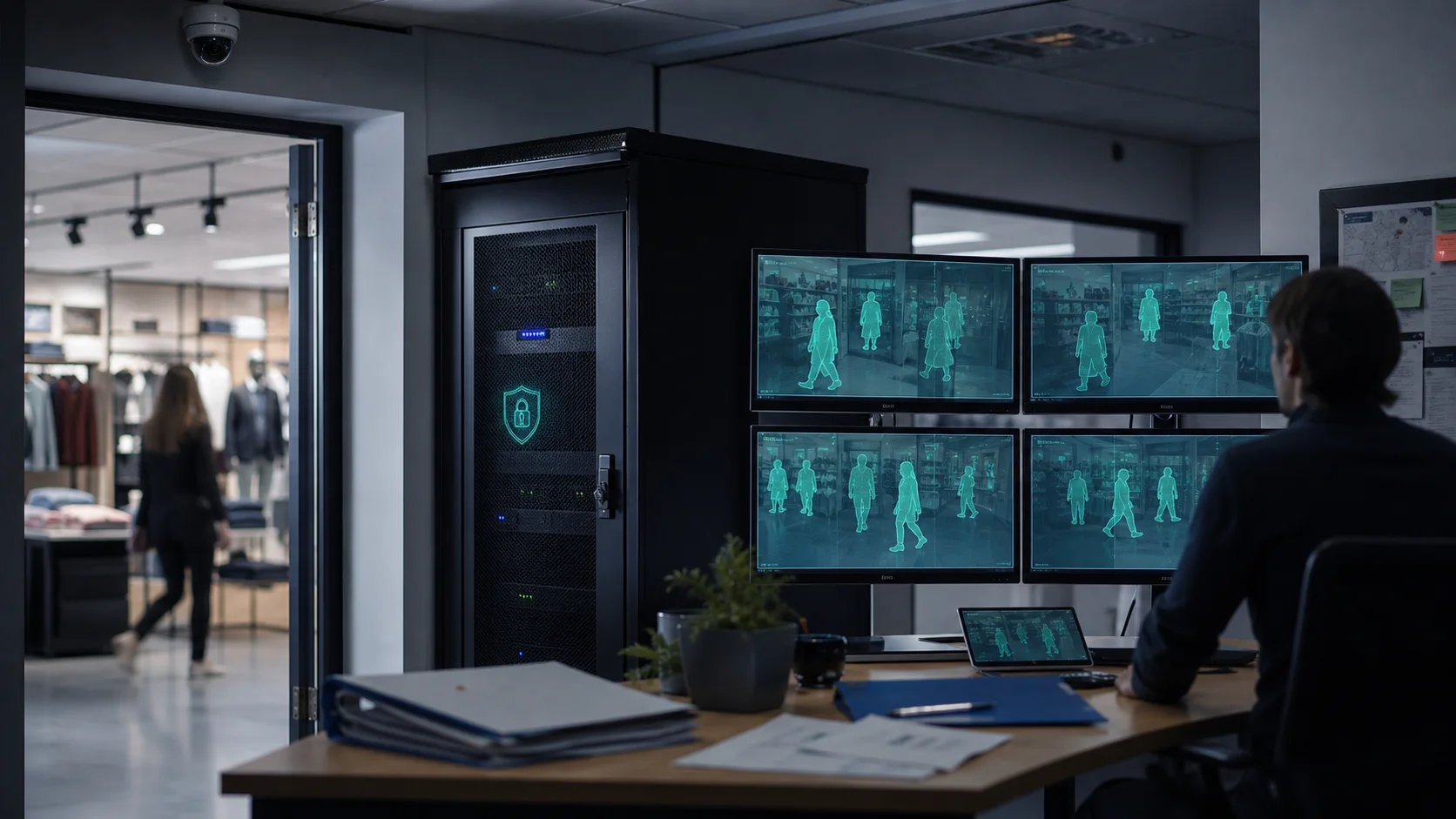
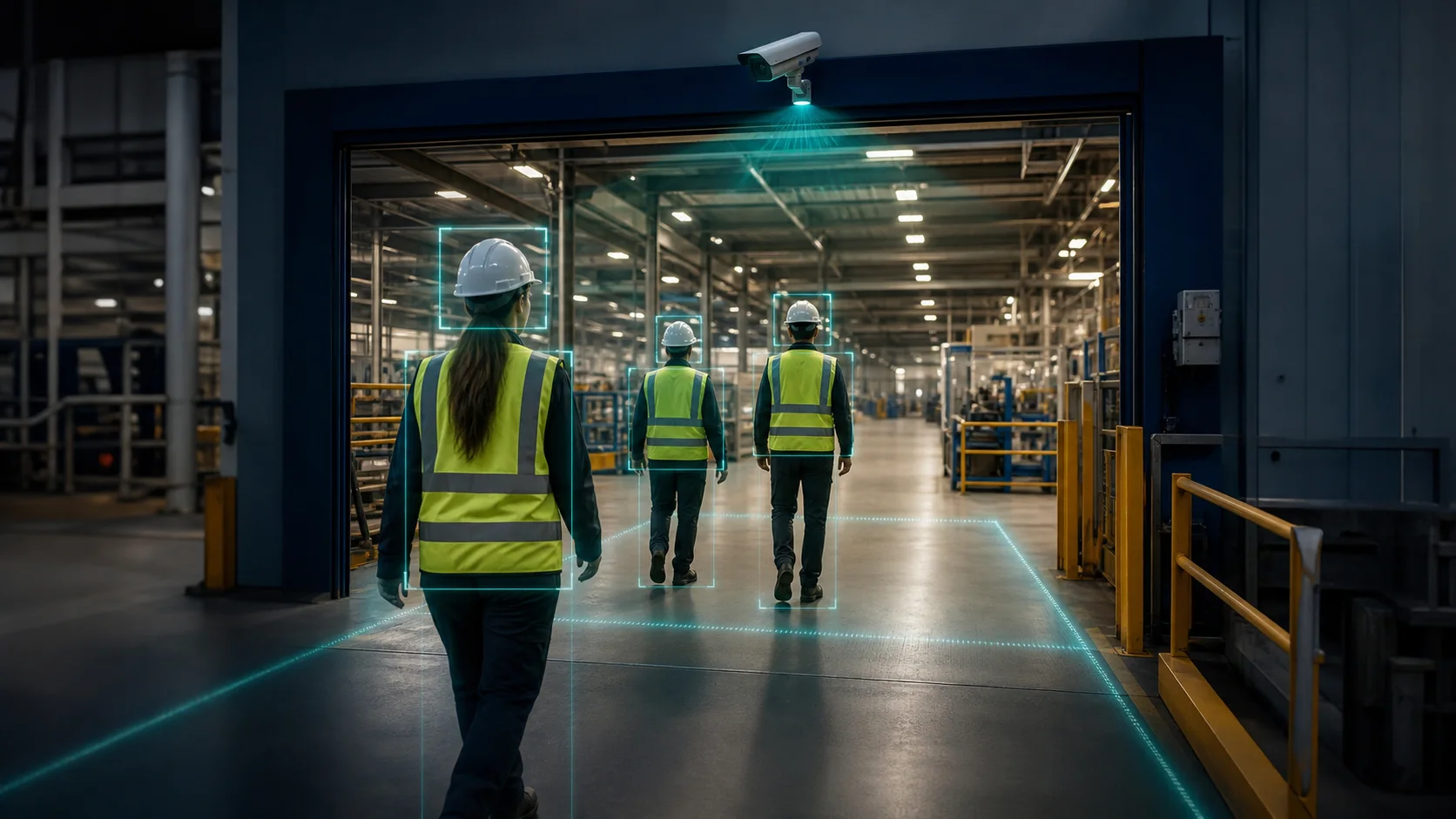
Manual PPE inspections catch violations after they happen. AI monitoring catches them the moment they occur. Here's how AI PPE detection works and what it means for your safety programme.

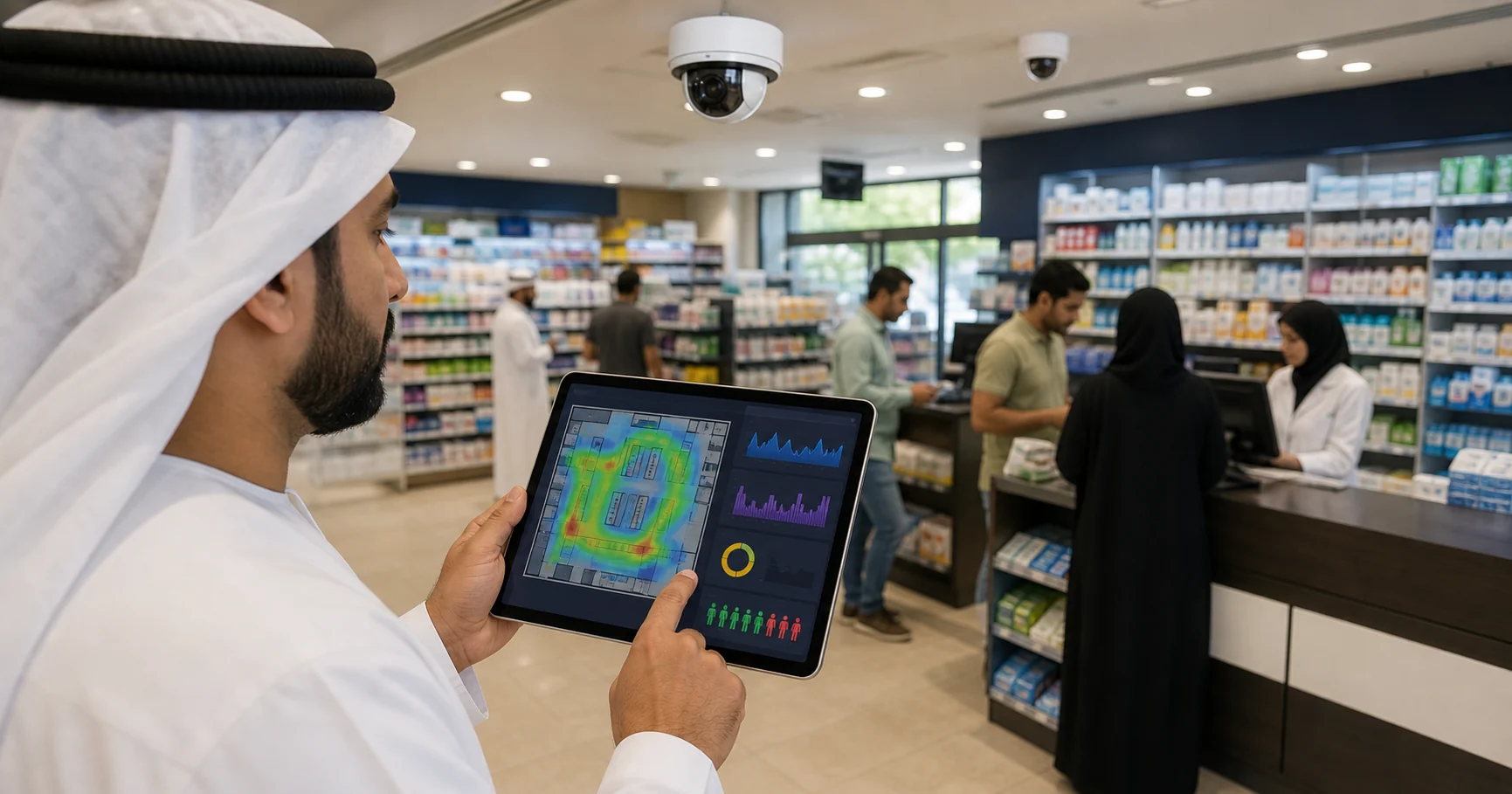
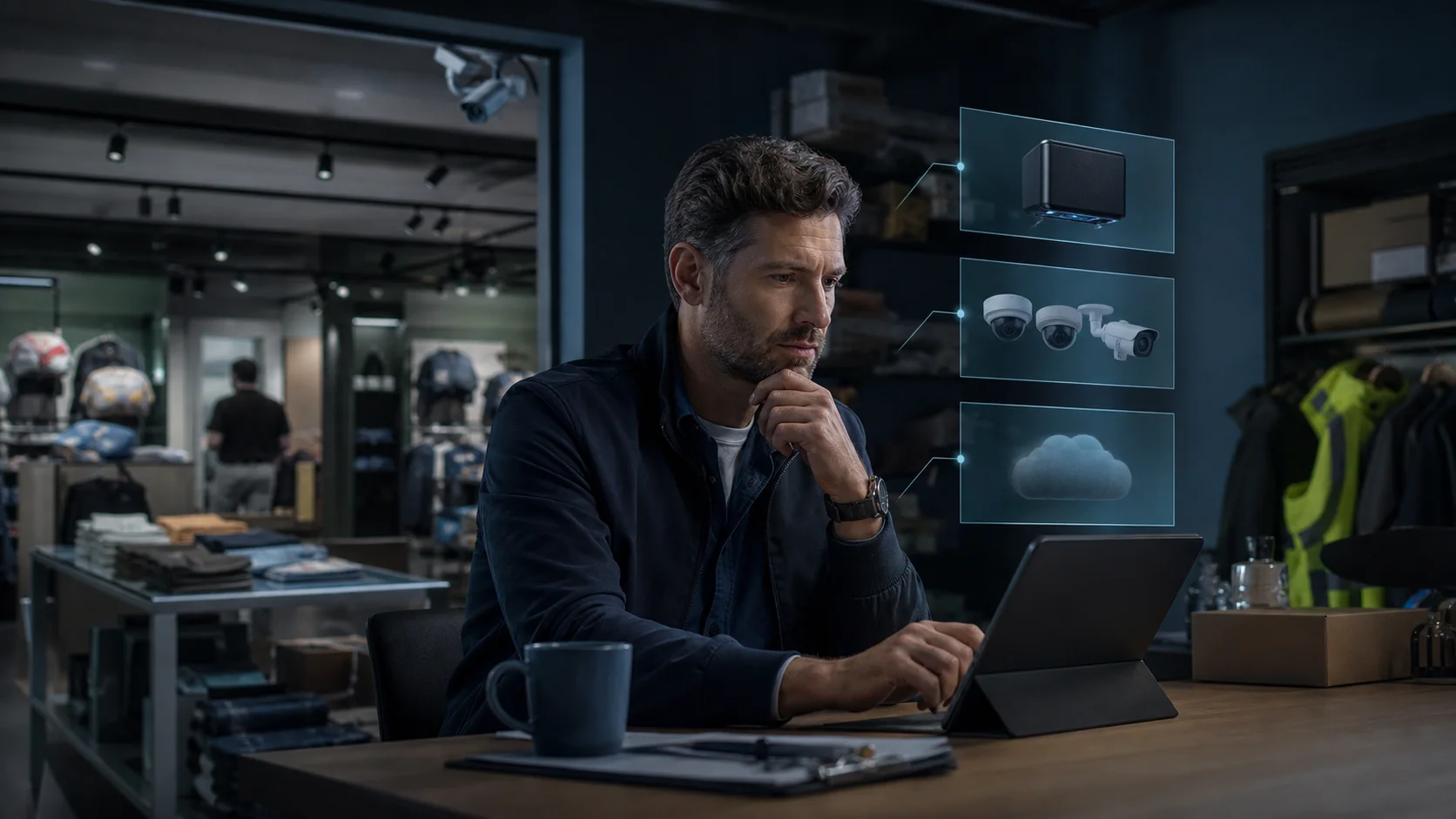
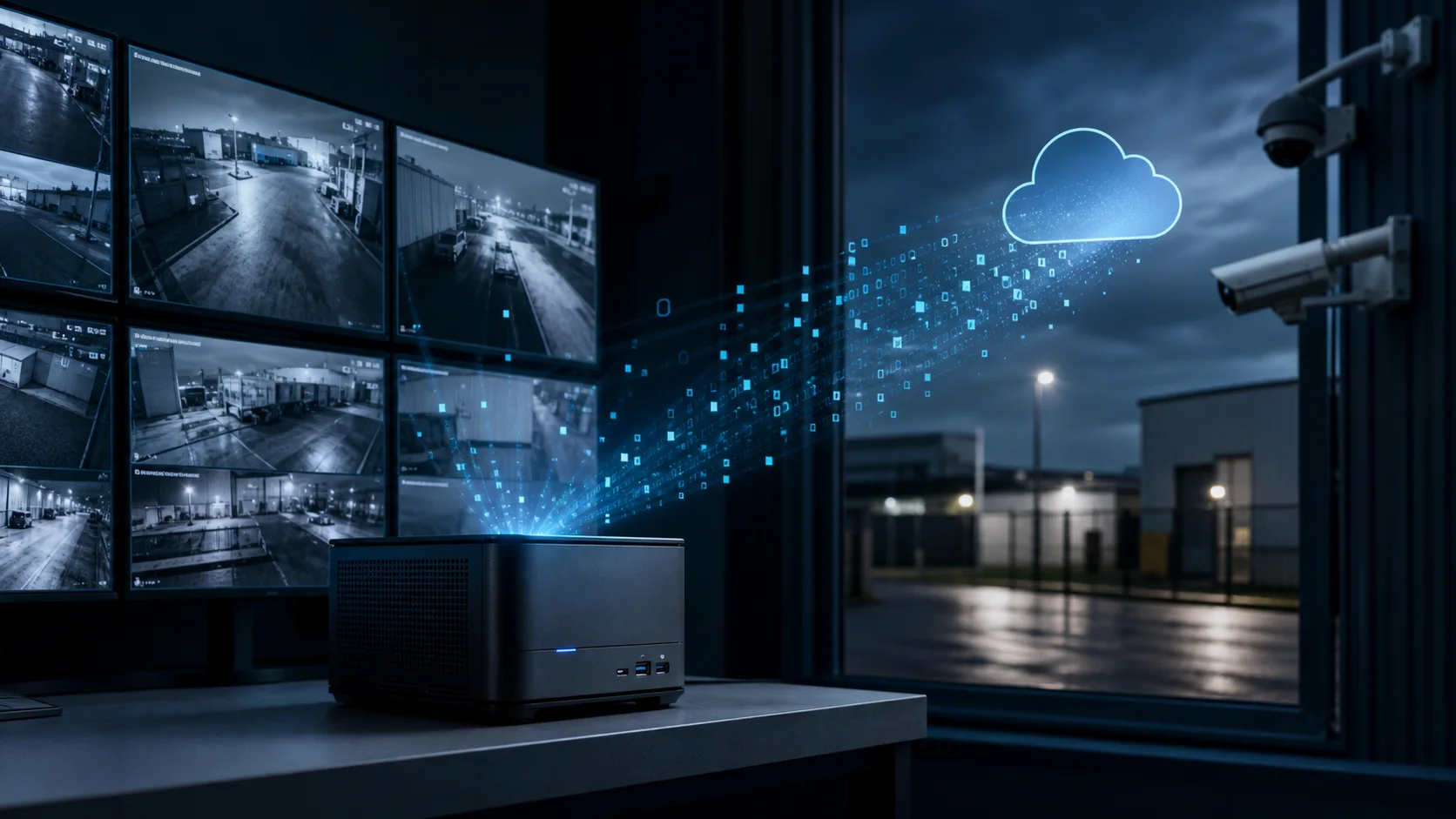
Cloud AI sends your footage to a third-party server. Edge AI keeps everything on your premises. For security applications, that difference is fundamental.

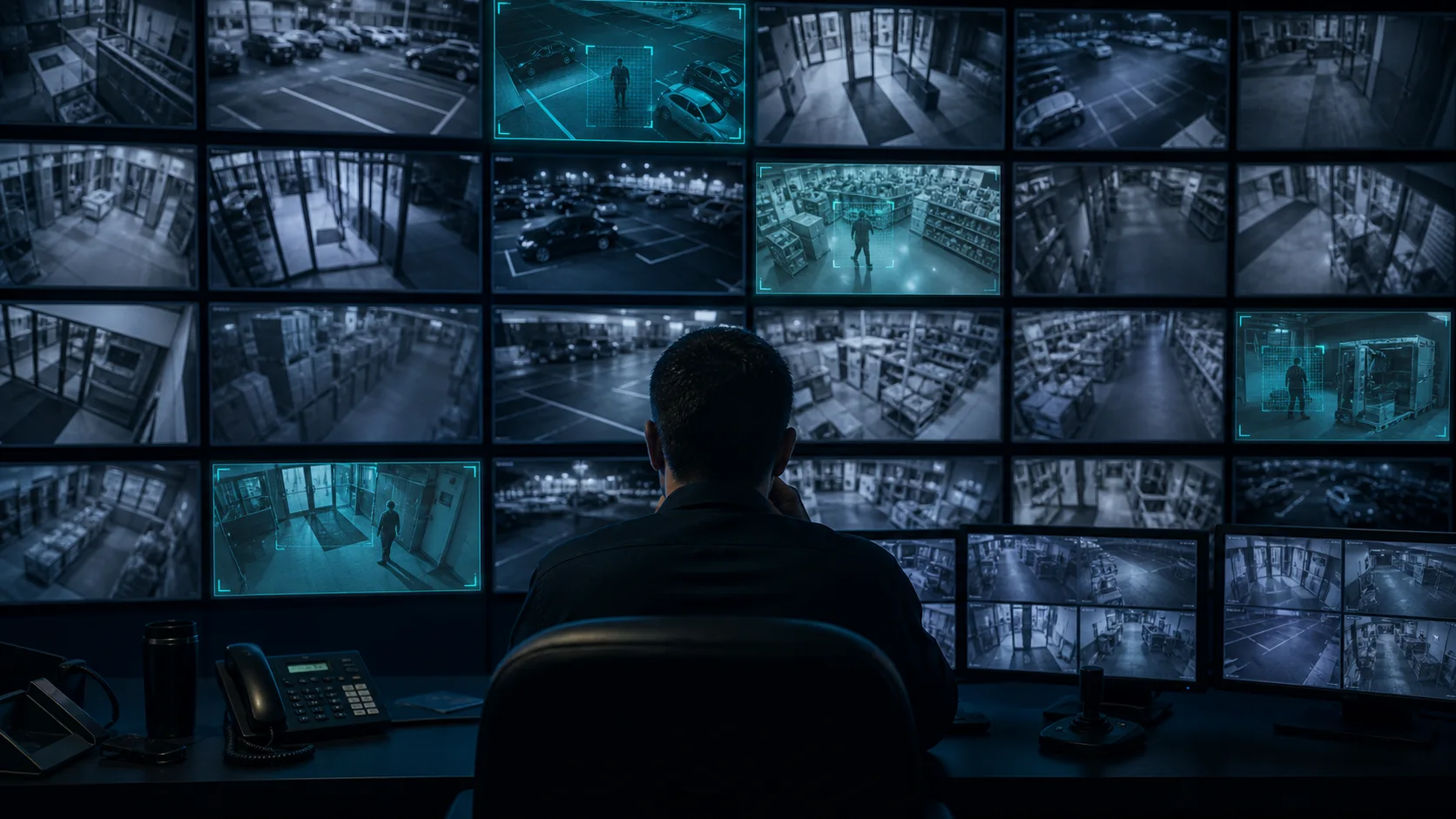
AI camera analytics lets you maintain or improve security coverage while cutting monitoring labour costs by half. Here's how businesses in retail, logistics, and manufacturing are doing it.

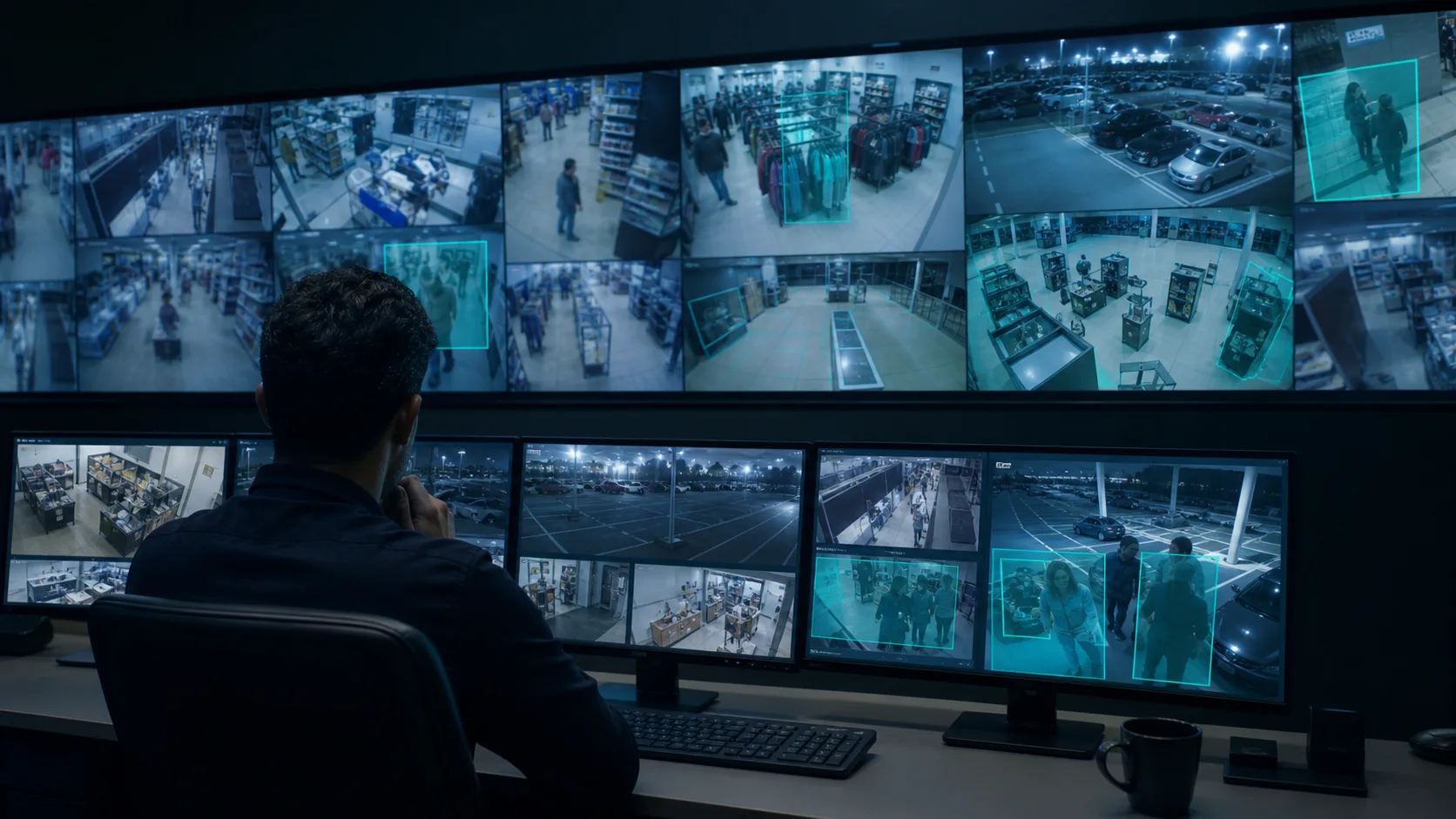
Human attention has hard limits. AI monitoring doesn't. Here's the science behind why AI camera analytics catches what guards miss — and what to do about it.

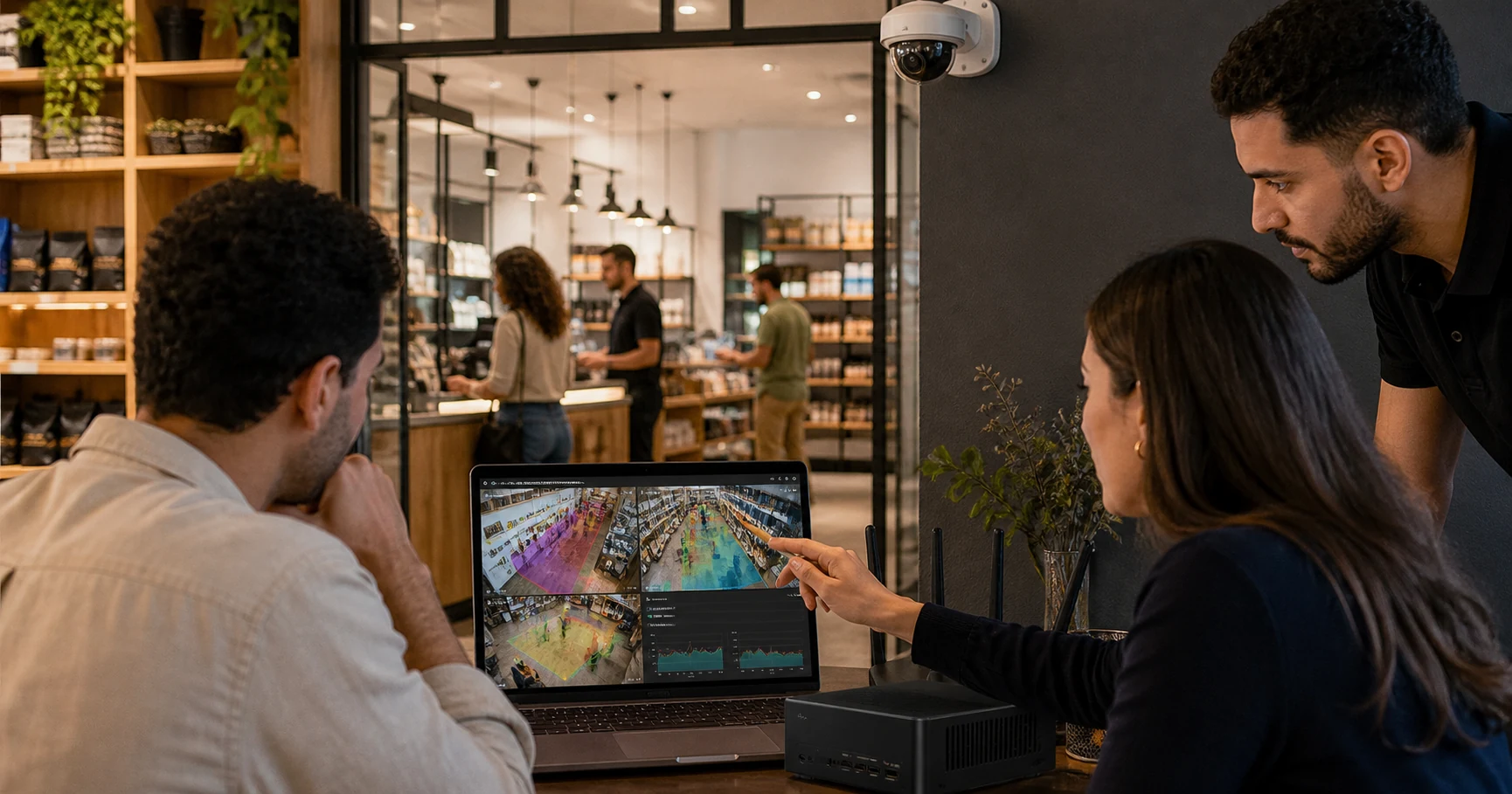
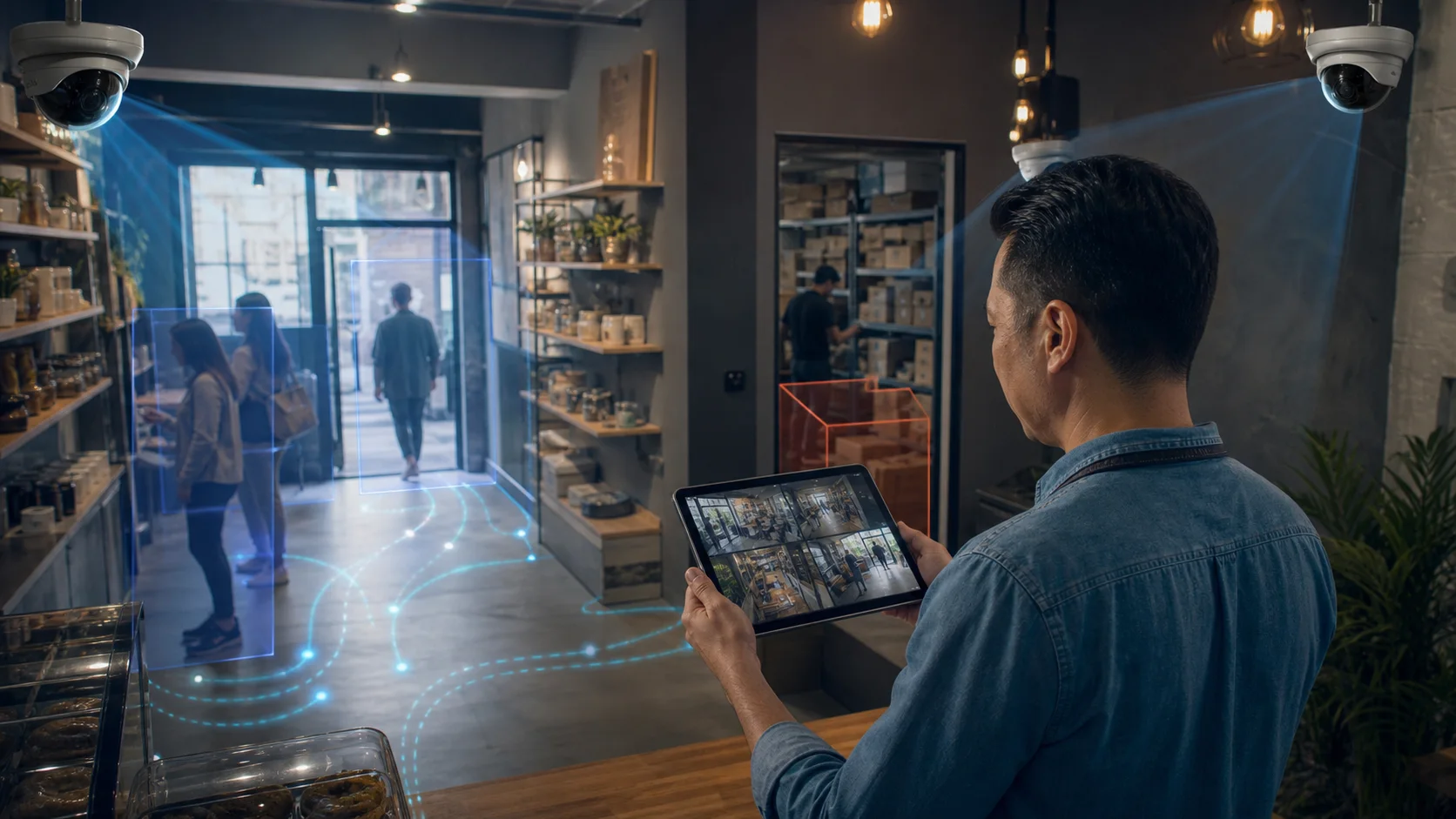
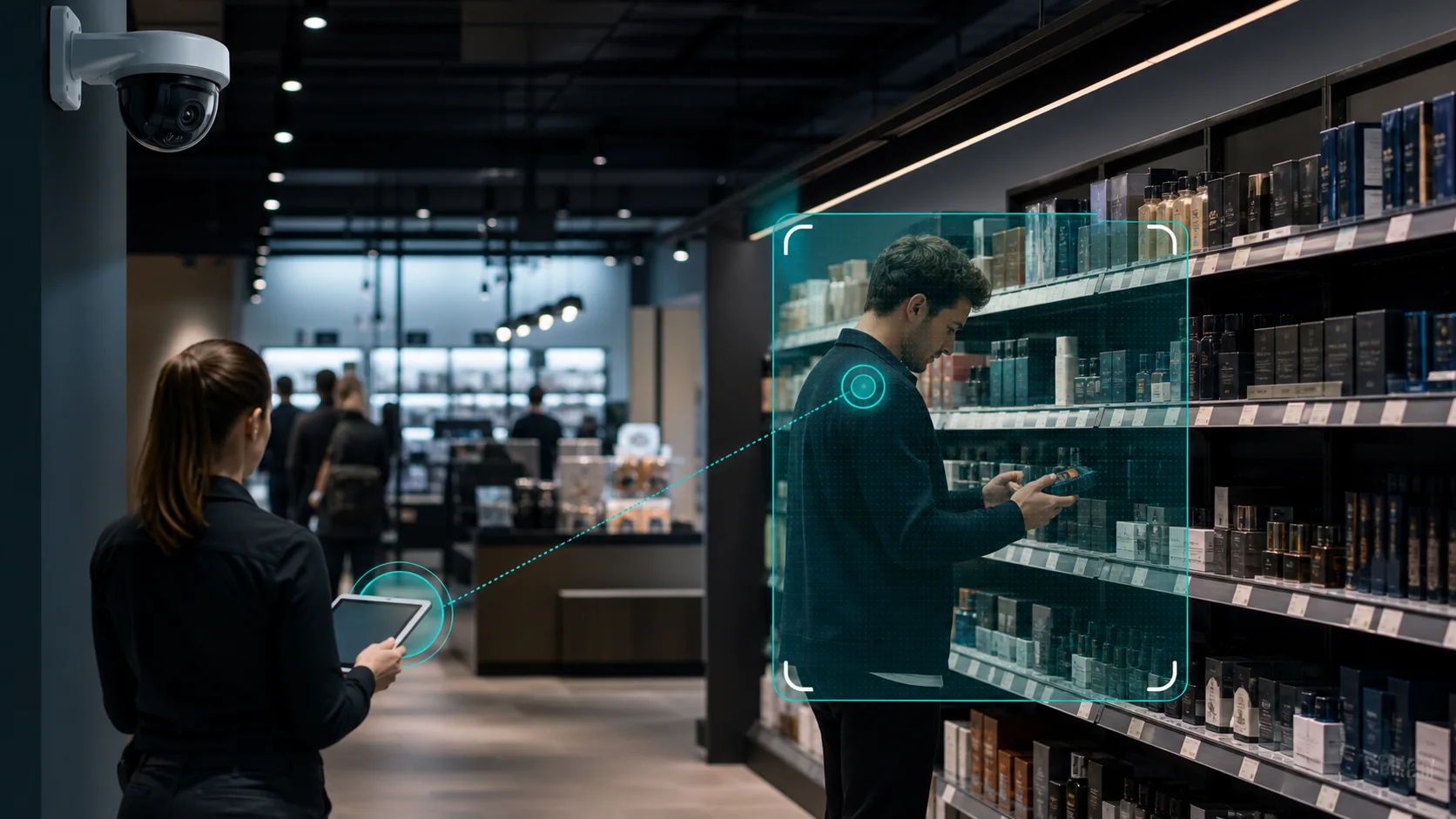
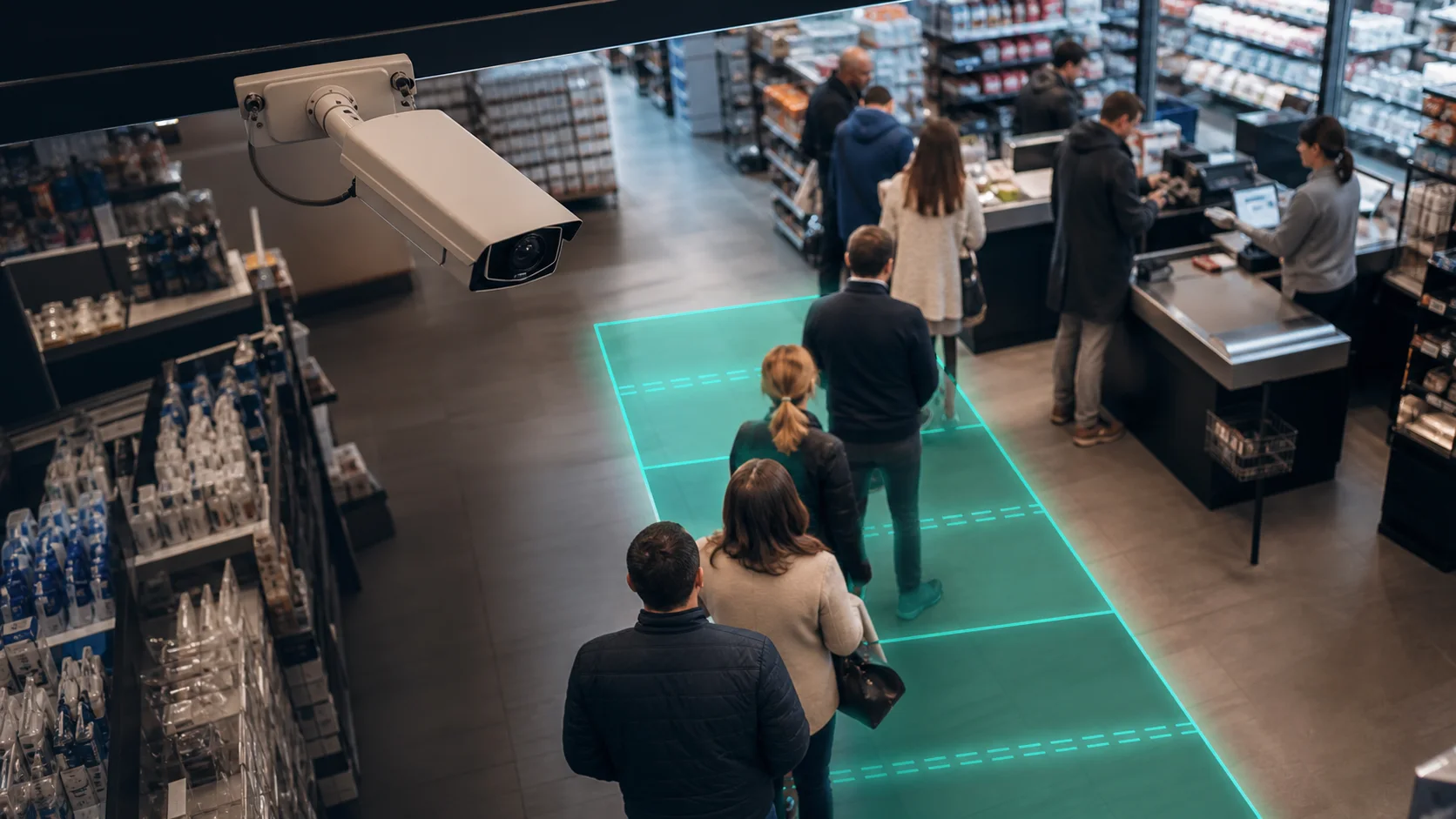
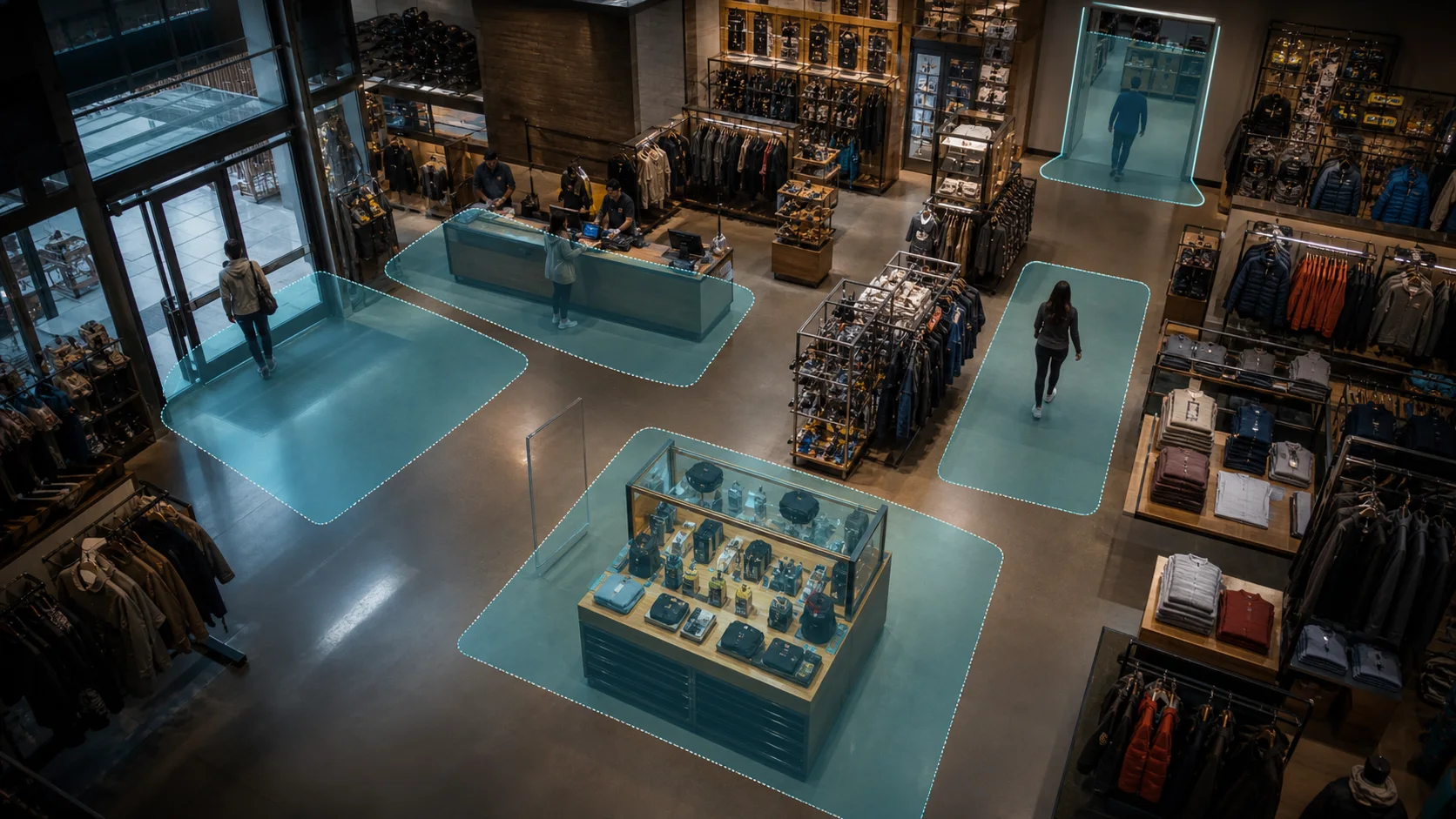
The zones you draw on your camera views determine what Horus monitors. Here are the five most impactful zones for a retail deployment.

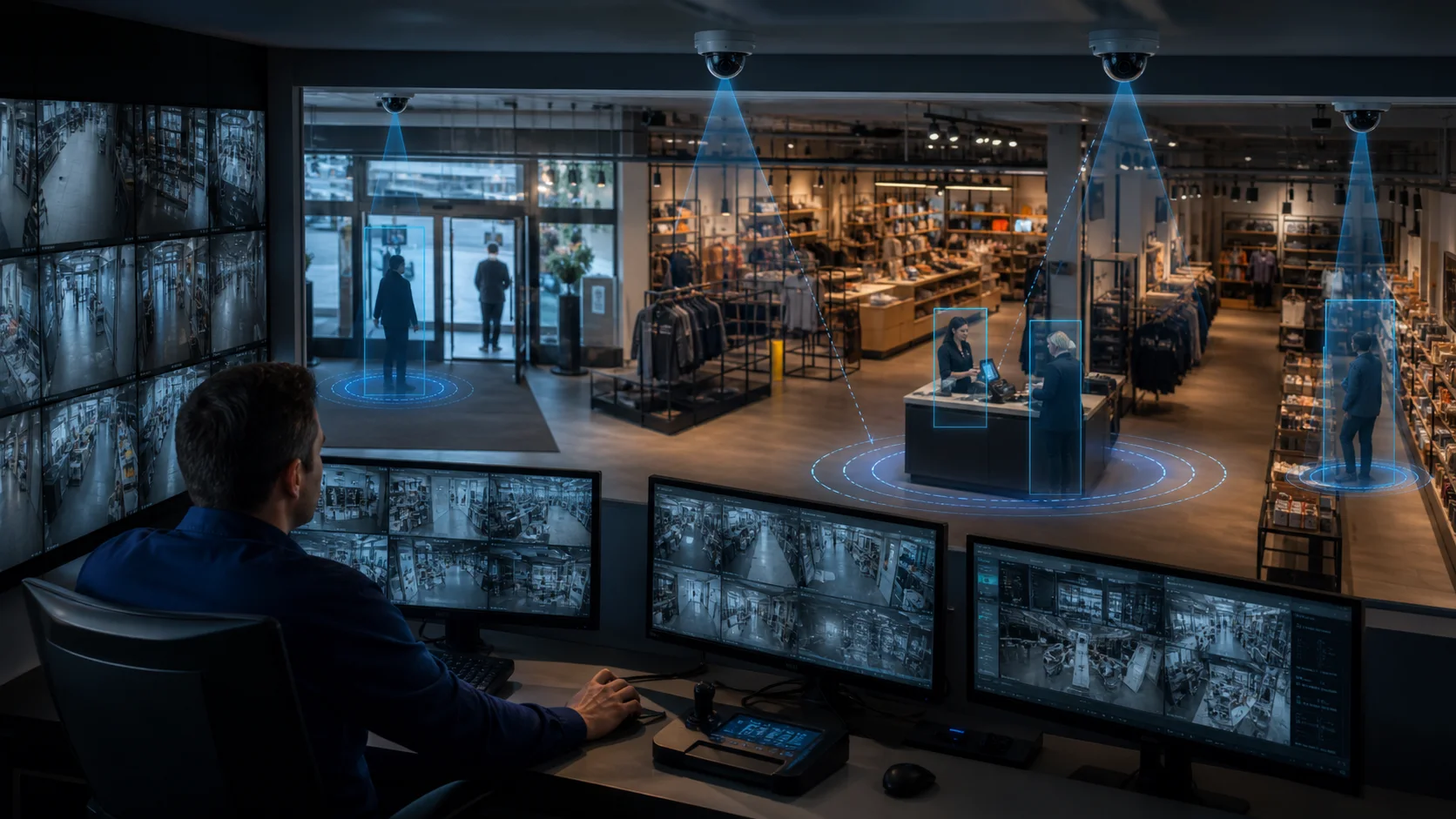
Most businesses with cameras have the same problem: the cameras record everything but tell you nothing. Here's what changes when AI is watching.